

















 Follow Us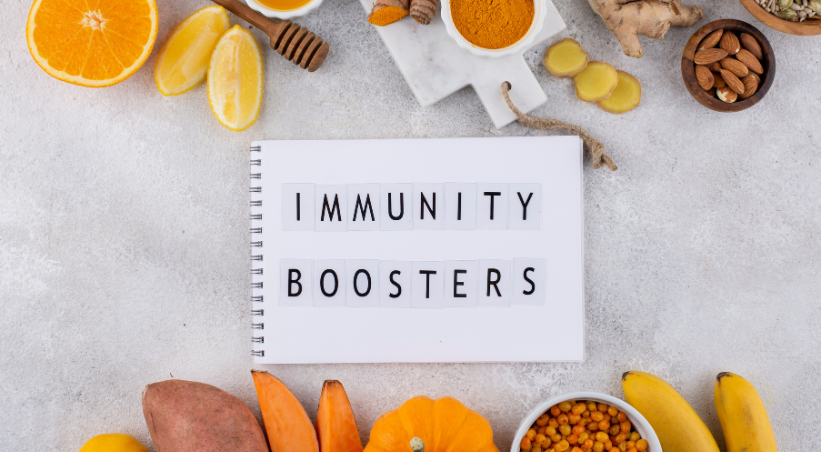
Your immune system is your body’s defense mechanism against infections, viruses, and diseases. In today’s fast-paced world, maintaining a robust immune system is more important than ever. This comprehensive guide will reveal proven strategies to boost your immune system naturally and quickly, helping you stay healthy year-round.
Understanding Your Immune System
Before diving into the tips, it’s essential to understand that your immune system is a complex network of cells, tissues, and organs working together to protect your body. A strong immune system doesn’t mean you’ll never get sick, but it ensures your body can fight off infections more effectively and recover faster.
1. Prioritize Nutrient-Rich Immune System Booster Foods
The Foundation of Immune Health
Nutrition plays a pivotal role in immune function. The foods you consume directly impact your body’s ability to defend against pathogens and maintain optimal health.
Top Immune System Booster Foods to Include:
Citrus Fruits: Oranges, lemons, grapefruits, and limes are packed with vitamin C, which increases the production of white blood cells essential for fighting infections.
Garlic: This powerful superfood contains allicin, a compound with antimicrobial properties that enhances immune cell function and reduces inflammation.
Ginger: Known for its anti-inflammatory and antioxidant effects, ginger helps decrease inflammation and supports immune response.
Spinach and Leafy Greens: Rich in vitamin C, beta-carotene, and numerous antioxidants, these vegetables enhance the infection-fighting ability of your immune system.
Yogurt and Fermented Foods: Probiotics in yogurt, kefir, kimchi, and sauerkraut support gut health, where approximately 70% of your immune system resides.
Almonds and Seeds: Loaded with vitamin E, a powerful antioxidant that helps maintain immune system health.
Turmeric: Contains curcumin, which has strong anti-inflammatory properties and immune-boosting capabilities.
Pro Tip:
Create a daily smoothie combining citrus fruits, spinach, ginger, and yogurt for a powerful immune-boosting drink that’s both delicious and nutritious.
Read Also: Top 20 Benefits of Turmeric: The Golden Spice for Your Health
2. How to Boost Immune System Quickly Through Quality Sleep
The Sleep-Immunity Connection
Sleep is one of the most underestimated factors in immune health. During sleep, your body produces and releases cytokines, proteins that target infection and inflammation.
Sleep Optimization Strategies:
Aim for 7-9 Hours: Adults need between 7-9 hours of quality sleep nightly to maintain optimal immune function.
Maintain a Consistent Schedule: Go to bed and wake up at the same time daily, even on weekends, to regulate your body’s circadian rhythm.
Create a Sleep Sanctuary: Keep your bedroom cool (60-67°F), dark, and quiet. Consider using blackout curtains and white noise machines.
Limit Screen Time: The blue light from devices suppresses melatonin production. Stop using screens at least one hour before bedtime.
Avoid Stimulants: Cut off caffeine consumption 6-8 hours before sleep, and limit alcohol intake, which disrupts sleep quality.
Why Sleep Matters:
Sleep deprivation significantly reduces the production of protective cytokines and infection-fighting antibodies, making you more susceptible to illness. Studies show that people who don’t get adequate sleep are more likely to get sick after exposure to viruses.
Read Also: Best Tips on How to Sleep Faster & Naturally
3. How to Boost Immune System Naturally with Regular Exercise
Movement as Medicine
Physical activity is a cornerstone of immune health. Regular, moderate exercise promotes good circulation, allowing immune cells to move through your body more effectively.
Exercise Guidelines for Immunity:
Moderate Intensity is Key: Aim for 150 minutes of moderate-intensity exercise weekly, such as brisk walking, swimming, or cycling.
Include Strength Training: Incorporate resistance exercises 2-3 times per week to reduce inflammation and support immune function.
Outdoor Activities: Sunlight exposure during outdoor exercise helps your body produce vitamin D, crucial for immune health.
Yoga and Stretching: These practices reduce stress hormones and enhance lymphatic circulation, supporting your body’s natural detoxification process.
Warning:
Avoid overtraining, as excessive, intense exercise can temporarily suppress immune function. Listen to your body and allow adequate recovery time.
Quick Immune-Boosting Exercises:
- Morning walks: 30 minutes daily
- Bodyweight exercises: Push-ups, squats, lunges
- Breathing exercises: Deep breathing for stress reduction
- Dancing: Fun cardio that elevates mood and immunity
4. Manage Stress to Boost Your Immune System
The Stress-Immunity Link
Chronic stress is one of the most significant immune suppressors. When you’re stressed, your body produces cortisol, which can reduce the effectiveness of your immune system over time.
Stress Management Techniques:
Meditation and Mindfulness: Just 10-15 minutes daily of meditation can lower cortisol levels and enhance immune response.
Deep Breathing Exercises: Practice diaphragmatic breathing to activate your parasympathetic nervous system, promoting relaxation and immune balance.
Connect with Others: Social connections boost immunity. Spend quality time with family and friends, even if virtually.
Pursue Hobbies: Engaging in activities you enjoy reduces stress hormones and promotes mental well-being.
Time in Nature: Studies show that spending time outdoors in natural settings reduces stress and boosts immune function.
Journaling: Writing down thoughts and feelings helps process emotions and reduce psychological stress.
The Science:
Research indicates that chronic psychological stress can reduce lymphocyte numbers, the white blood cells that fight infection, making you more vulnerable to illness.
Read Also: How to Start Your Day Without Stress: A Step-by-Step Guide
5. Stay Hydrated and Maintain Healthy Habits
Hydration: The Forgotten Immune Booster
Water is essential for producing lymph, which carries white blood cells and other immune system cells throughout your body.
Hydration Guidelines:
Drink Adequate Water: Aim for 8-10 glasses (64-80 ounces) daily, more if you’re active or in hot climates.
Herbal Teas: Green tea, chamomile, and echinacea tea provide hydration plus immune-supporting compounds.
Limit Dehydrating Beverages: Reduce alcohol and excessive caffeine, which can dehydrate your body.
Additional Healthy Habits:
Hand Hygiene: Wash hands thoroughly and frequently to prevent pathogen exposure.
Avoid Smoking: Smoking damages immune function and increases susceptibility to infections.
Moderate Alcohol: Excessive alcohol consumption impairs immune response and gut health.
Maintain Healthy Weight: Obesity is linked to impaired immune function, while maintaining a healthy weight supports immunity.
Regular Check-ups: Monitor vitamin D, vitamin B12, and other nutrient levels through routine blood work.
Supplement Wisely: Consider vitamin C, vitamin D, zinc, and probiotics after consulting with a healthcare provider.
How to Boost Immune System Quickly: Action Plan
If you need to strengthen your immunity rapidly, focus on these immediate actions:
- Load up on immune system booster foods daily
- Prioritize 7-9 hours of quality sleep tonight
- Start moderate exercise today (even a 20-minute walk helps)
- Practice stress-reduction techniques like deep breathing
- Stay well-hydrated throughout the day
- Consider immune-supporting supplements (vitamin C, D, zinc)
Final Thoughts: Your Path to Stronger Immunity
Boosting your immune system naturally requires a holistic approach combining proper nutrition, adequate sleep, regular exercise, stress management, and healthy lifestyle habits. These aren’t quick fixes but rather sustainable practices that build long-term immunity.
Remember, there’s no magic pill to boost your immune system overnight, but consistently implementing these five evidence-based tips will significantly strengthen your body’s natural defenses. Start with small changes today, and gradually build these habits into your daily routine for optimal immune health.
Your immune system works tirelessly to protect you. Give it the support it needs through these natural, science-backed strategies, and you’ll enjoy better health, fewer illnesses, and increased vitality throughout the year.
Frequently Asked Questions (FAQs)
1. What foods boost your immune system the fastest?
Citrus fruits, garlic, ginger, and yogurt are among the quickest immune system booster foods. Citrus fruits provide vitamin C that immediately supports white blood cell production. Garlic contains allicin with antimicrobial properties, while yogurt’s probiotics support gut immunity. Incorporate these nutrient-dense foods daily alongside leafy greens, almonds, and turmeric for comprehensive immune support.
2. Can you boost your immune system overnight?
While you cannot completely boost your immune system overnight, certain actions provide quick support. Prioritizing quality sleep, taking vitamin C and zinc supplements, staying well-hydrated, and consuming immune-boosting foods can enhance your body’s defenses within 24-48 hours. However, sustained immune health requires consistent healthy habits over time, including regular exercise and stress management.
3. How much exercise is needed to boost immunity?
150 minutes of moderate-intensity exercise weekly is optimal to boost your immune system naturally. This equals 30 minutes of brisk walking, cycling, or swimming five days per week. Moderate exercise enhances immune cell circulation and reduces inflammation. However, avoid excessive intense training, which can temporarily suppress immunity. Include strength training twice weekly for additional benefits.
4. Does stress really weaken your immune system?
Yes, chronic stress significantly weakens your immune system. Stress elevates cortisol levels, which suppresses the effectiveness of your immune response and reduces lymphocyte numbers—the white blood cells that fight infection. Managing stress through meditation, deep breathing, regular exercise, and adequate sleep is essential to boost your immune system and maintain optimal health.
5. What vitamins are best for immune system health?
Vitamin C, vitamin D, vitamin E, and zinc are the most important for immune health. Vitamin C increases white blood cell production, while vitamin D regulates immune response. Vitamin E acts as a powerful antioxidant, and zinc supports immune cell function. Obtain these from immune system booster foods like citrus fruits, fatty fish, nuts, and seeds, or consider supplements after consulting your healthcare provider.