
















 Follow Us

The debate surrounding the health effects of weed, or cannabis, has been ongoing for years. As more regions around the world legalize or decriminalize its use, it’s essential to understand the potential benefits and risks associated with this plant. In this blog, we’ll explore the complex relationship between weed and health, shedding light on the scientific evidence, potential therapeutic uses, and the risks associated with its consumption.
Before delving into its health effects, let’s clarify some key points about weed:
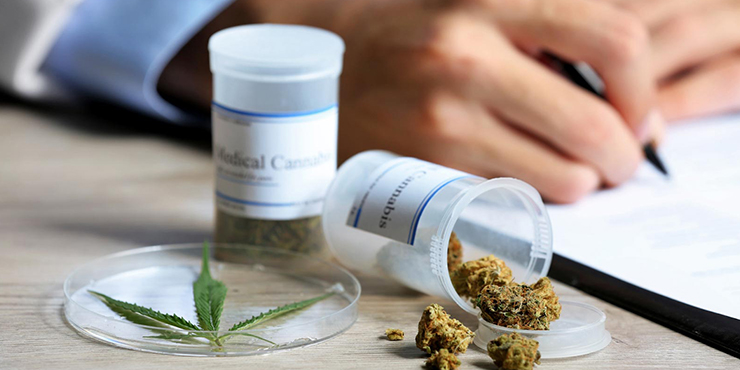
1. Cannabis Types
There are different species of the cannabis plant, with the two most well-known being Cannabis sativa and Cannabis indica. Each type may have different effects on the body.
2. Active Compounds
Cannabis contains hundreds of chemical compounds, but the two primary ones of interest are tetrahydrocannabinol (THC) and cannabidiol (CBD). THC is responsible for the psychoactive effects, while CBD is non-psychoactive and believed to have therapeutic potential.
Potential Health Benefits
1. Pain Management:
Cannabis has been used for centuries to alleviate pain, and some studies suggest that it may be beneficial in managing chronic pain, neuropathic pain, and pain associated with conditions like cancer.
2. Epilepsy Treatment:
CBD, a non-psychoactive compound in cannabis, has shown promise in reducing the frequency and severity of seizures in certain forms of epilepsy.
3. Anxiety and Depression:
Some individuals report that cannabis can alleviate symptoms of anxiety and depression, but the results are mixed and depend on the individual and the strains used.
4. Nausea and Vomiting:
In some medical settings, cannabis is used to combat chemotherapy-induced nausea and vomiting, providing relief for cancer patients.
5. Appetite Stimulation:
THC can stimulate appetite, making it beneficial for individuals dealing with conditions that cause loss of appetite, such as HIV/AIDS or cancer.
Conclusion:
The question of whether weed is “good” or “bad” for health isn’t straightforward. While it has shown potential benefits in certain medical contexts, it’s essential to be aware of the associated risks. Personal factors, including genetics, mental health history, and frequency of use, play a significant role in how cannabis affects an individual.