
















 Follow Us
Discovering that your partner may be unfaithful is one of the most emotionally challenging experiences in any relationship. While suspicion alone doesn’t confirm infidelity, understanding the signs of partner cheating can help you navigate this difficult situation with clarity and confidence. This guide provides detailed insights into recognizing potential warning signals while approaching the matter with sensitivity and wisdom.
Understanding Infidelity in Modern Relationships
Infidelity extends beyond physical affairs and encompasses emotional betrayal, online relationships, and boundary violations. Research indicates that approximately 20-25% of people experience some form of cheating in their relationships. Recognizing the signs of a cheating partner early can help address issues before they cause irreparable damage to your relationship foundation.
Digital Behavior Changes: The Modern Red Flag
Increased Phone Secrecy
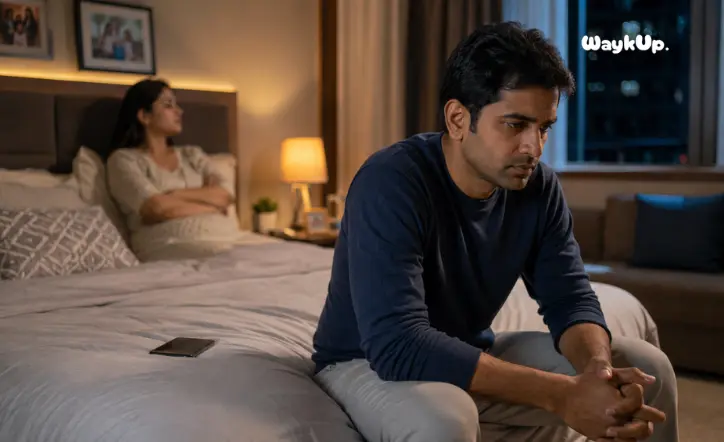
One of the most prominent signs of partner cheating involves sudden changes in digital device usage. If your partner previously left their phone accessible but now guards it constantly, this shift warrants attention. Cheating partners often:
- Add new passwords or change existing ones without explanation
- Take their phone everywhere, including the bathroom
- Delete messages, call logs, and browser history regularly
- Turn their screen away when receiving notifications
- Become defensive when asked about their device usage
Social Media Behavior Shifts
Social media habits can reveal concerning patterns. Watch for partners who suddenly start following provocative accounts, engage with unfamiliar profiles, or spend excessive time messaging people you don’t know. These behavioral changes may indicate emotional or digital infidelity.
Emotional Withdrawal: The Silent Indicator
Decreased Emotional Intimacy
Emotional distance often precedes or accompanies physical infidelity. When partners invest their emotional energy elsewhere, they naturally withdraw from their primary relationship. Notice if your partner:
- Stops sharing daily experiences and feelings
- Shows disinterest in your life and concerns
- Avoids meaningful conversations about the future
- Seems mentally absent even when physically present
- No longer seeks your advice or opinion on important matters
Communication Breakdown
Healthy relationships thrive on open communication. A cheating partner may become evasive when discussing their whereabouts, provide vague answers about their activities, or avoid eye contact during conversations. This communication pattern often signals something being hidden.
Physical and Behavioral Changes
Appearance and Grooming Habits
Sudden interest in physical appearance without clear reason can be a warning sign. While self-improvement is positive, dramatic changes specifically for work events or when meeting “friends” deserve attention:
- New wardrobe purchases, especially intimate apparel
- Changed grooming routines or cologne/perfume
- Sudden gym membership or fitness obsession
- Enhanced attention to personal hygiene before going out
- Dressing differently for specific occasions
Schedule and Routine Disruptions
Unexplained absences and schedule changes rank among the most common signs of partner cheating. Be alert to:
- Frequent late nights at work without reasonable explanation
- New hobbies or commitments with limited details
- Weekend trips or business travel that seems excessive
- Becoming unreachable during specific time periods
- Providing inconsistent information about their whereabouts
Intimacy and Relationship Dynamic Shifts
Changes in Sexual Behavior
Sexual intimacy patterns often change when infidelity occurs. Paradoxically, some partners decrease sexual activity while others increase it to avoid suspicion. Additional concerns include:
- Introduction of new techniques or preferences unexpectedly
- Decreased emotional connection during physical intimacy
- Sudden disinterest in sexual relations
- Unexplained increases in sexual desire
- Changes in affection and physical touch patterns
Defensive and Critical Behavior
Cognitive dissonance occurs when someone’s actions conflict with their values. Cheating partners may project their guilt onto you through:
- Unexpected criticism about appearance or habits
- Defensive reactions to simple questions
- Accusations of jealousy or insecurity
- Blaming you for relationship problems
- Creating arguments to justify their behavior
Financial Red Flags
Unexplained Expenses
Financial discrepancies often accompany infidelity. Monitor for:
- Unusual credit card charges or cash withdrawals
- Hidden receipts from restaurants, hotels, or gifts
- New accounts or financial secrecy
- Unexplained depletion of savings
- Defensive responses about spending habits
| Expense Type | Normal Behavior | Suspicious Behavior |
|---|---|---|
| Restaurant Bills | Occasional, explainable | Frequent, unexplained locations |
| Cash Withdrawals | Consistent amounts | Large, irregular withdrawals |
| Gift Purchases | For known occasions | Hidden or unaccounted for |
| Hotel Charges | Business trips with proof | Personal stays without explanation |
| Entertainment | Shared experiences | Solo activities at unusual venues |
Social and Behavioral Patterns
Changes in Friend Circle
Your partner’s social relationships may shift noticeably:
- Mentioning a new “friend” frequently
- Friends acting uncomfortable around you
- Avoiding social gatherings with mutual friends
- Spending excessive time with one particular person
- Keeping you separated from certain social circles
Gut Instinct and Intuition
Research shows that people can detect deception unconsciously. If you persistently feel something is wrong despite lacking concrete evidence, your intuition may be recognizing subtle behavioral inconsistencies. While gut feelings aren’t proof, they warrant attention and reflection.
Comparison: Innocent Changes vs. Cheating Signs
| Behavior | Innocent Explanation | Potential Infidelity |
|---|---|---|
| Working Late | Temporary project deadline | Consistent pattern with vague details |
| Phone Privacy | Personal boundaries | Sudden password changes, secrecy |
| Appearance Changes | Self-improvement goals | Changes for specific people/events |
| Mood Shifts | External stress factors | Defensiveness, guilt projection |
| Distant Behavior | Temporary life challenges | Prolonged emotional withdrawal |
| New Interests | Personal growth | Interests tied to specific person |
What to Do If You Notice These Signs
Assess the Situation Objectively
Before confronting your partner, take time to:
- Document specific behaviors rather than assumptions
- Consider alternative explanations for changes
- Reflect on your own insecurities versus genuine concerns
- Avoid jumping to conclusions from single incidents
- Evaluate the overall relationship health
Have an Honest Conversation
Approach your partner with openness rather than accusations:
- Choose a calm, private setting for discussion
- Express your feelings using “I” statements
- Share specific observations causing concern
- Listen actively to their response
- Avoid inflammatory language or ultimatums
Seek Professional Support
Consider relationship counseling or therapy to:
- Navigate difficult emotions constructively
- Improve communication skills
- Address underlying relationship issues
- Receive unbiased professional guidance
- Make informed decisions about your future
The Psychology Behind Cheating Behaviors
Understanding why partners cheat can provide context, though never justification. Common psychological factors include:
- Unmet emotional needs in the relationship
- Opportunity combined with weakened commitment
- Personality traits favoring novelty and attention
- Relationship dissatisfaction without communication
- Substance use impairing judgment
- Revenge for perceived betrayal
- Developmental or personal identity crises
Moving Forward: Healing and Decisions
If Infidelity Is Confirmed
Discovering infidelity requires careful consideration of your next steps:
Immediate Actions:
- Prioritize your emotional and physical safety
- Seek support from trusted friends or therapist
- Take time before making permanent decisions
- Consider temporary space to process emotions
- Avoid impulsive actions you might regret
Long-term Considerations:
- Evaluate whether trust can be rebuilt
- Determine if both partners commit to recovery
- Establish clear boundaries and expectations
- Engage in couples therapy if choosing reconciliation
- Make decisions aligned with your values and wellbeing
Rebuilding Trust or Moving On
Recovery paths vary by individual circumstances:
For Reconciliation:
- Complete transparency from the unfaithful partner
- Consistent actions demonstrating commitment
- Professional counseling to address root causes
- Patience with the healing timeline
- Willingness to rebuild intimacy gradually
For Separation:
- Consult legal counsel if married
- Establish clear financial boundaries
- Create co-parenting plans if applicable
- Build support network for transition
- Focus on personal healing and growth
Preventing Infidelity in Relationships
Building Strong Relationship Foundations
Healthy relationships reduce infidelity risk through:
- Regular, honest communication about needs and feelings
- Quality time together and individual space
- Maintaining emotional and physical intimacy
- Addressing conflicts constructively and promptly
- Celebrating each other’s growth and achievements
- Setting clear boundaries and expectations together
Warning Signs to Address Early
Proactive attention to relationship health includes monitoring:
- Declining emotional connection
- Unresolved conflicts accumulating over time
- Decreased quality time and shared experiences
- Intimacy changes without discussion
- Growing resentment or criticism patterns
Frequently Asked Questions
1. Can a relationship survive after cheating?
Yes, many relationships successfully recover from infidelity, though it requires significant effort from both partners. Survival depends on several factors: the unfaithful partner’s genuine remorse and commitment to change, the betrayed partner’s willingness to work through pain, both individuals engaging in therapy, complete transparency moving forward, and addressing the underlying issues that contributed to the infidelity. Recovery typically takes 18-24 months and requires patience, consistent action, and professional guidance to rebuild trust and emotional safety.
2. Are emotional affairs as serious as physical ones?
Emotional affairs can be equally or more damaging than physical infidelity. When a partner invests emotional intimacy, time, and attention into someone outside the relationship, it violates the emotional exclusivity that defines most committed partnerships. Many individuals report that emotional betrayal feels more painful because it involves sharing thoughts, feelings, and vulnerabilities that should be reserved for the primary partner. Both types of infidelity break relationship trust and require similar recovery processes.
3. How can I tell if I’m being paranoid or if cheating is actually happening?
Distinguish intuition from insecurity by examining evidence objectively. Ask yourself: Are concerns based on specific behavioral changes or past trauma? Have multiple warning signs appeared together? Does your partner respond to questions with transparency or defensiveness? Consider whether you’ve experienced trust issues in previous relationships. Document patterns rather than isolated incidents. If uncertainty persists, couples therapy can help address concerns constructively, whether or not cheating is occurring, as the anxiety itself impacts relationship health.
4. Should I check my partner’s phone if I suspect cheating?
This decision involves ethical considerations. While invasion of privacy can damage trust, some argue that infidelity already violated trust boundaries. Consider these factors: Will confirmation help or harm you emotionally? Are you prepared for what you might find? Could direct conversation be more productive? Understand that violating privacy may complicate legal matters in divorce proceedings and damage recovery possibilities if you choose reconciliation. Most relationship experts recommend open conversation before surveillance, though individual circumstances vary significantly.
5. What should I do immediately after discovering my partner is cheating?
Prioritize your wellbeing above all else. Allow yourself to feel emotions without suppressing them, but avoid making permanent decisions while emotionally overwhelmed. Reach out to trusted friends, family, or a therapist for support. If living together, consider whether temporary physical space would help. Protect yourself legally by documenting evidence and consulting an attorney if married. Avoid confronting the affair partner, as this rarely provides closure and may escalate conflict. Schedule individual therapy to process trauma and betrayal, regardless of whether you pursue couples counseling later.
Conclusion
Recognizing signs of partner cheating requires balancing vigilance with trust, intuition with evidence, and emotion with rationality. While the behaviors outlined in this guide can indicate infidelity, they may also reflect other relationship challenges requiring attention. Whether your suspicions prove accurate or unfounded, addressing concerns openly and seeking professional support demonstrates commitment to relationship health and personal wellbeing.
Remember that discovering infidelity doesn’t define your worth or future happiness. Many individuals emerge from this painful experience with greater self-awareness, stronger boundaries, and eventually find fulfilling relationships—whether through reconciliation or new partnerships. Trust yourself, prioritize your emotional health, and make decisions aligned with your values and long-term wellbeing.
If you’re experiencing relationship concerns, consider reaching out to a licensed therapist or counselor who specializes in infidelity and relationship recovery. Professional support can provide personalized guidance through this challenging journey.