
















 Follow Us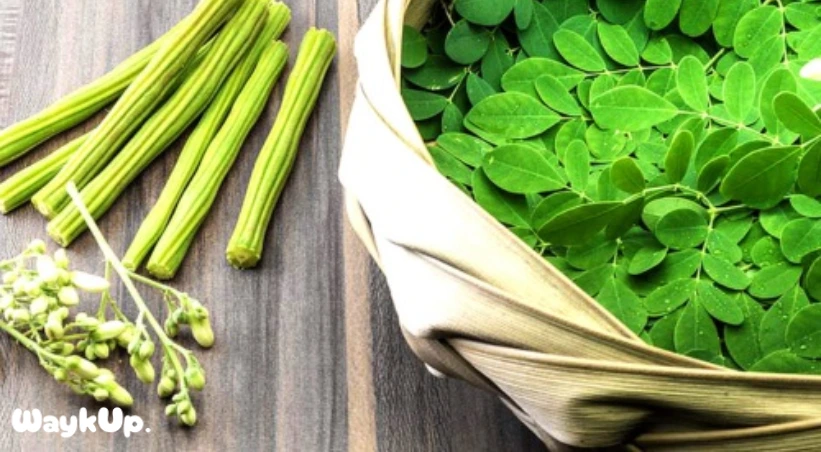
Well, let’s be honest: I wasn’t always a fan of drumsticks. I used to fish those long sambar pods out and push them to the side of my plate when I was younger. I didn’t realize I had been disregarding one of the healthiest veggies in front of me until I began to pay attention to what I was actually eating.
Drumsticks are already used in the majority of Indian homes without much fanfare. It just quietly shows up in the dal, in the sambar, sometimes in a soup — no fancy packaging, no “superfood” label on it. However, the same vegetable that your nani threw into a pressure cooker is now being sold overseas in capsule form for ₹2000 per bottle under the brand name “Moringa.”
So what’s actually in this thing? What do drumstick leaves do that’s got the whole wellness world excited? And is drumstick powder worth the hype, or is plain old sabzi just as good?
Let’s dig in — pods, leaves, soup, and all.
What Is Drumstick? (Moringa Explained)
The scientific name is Moringa oleifera, but honestly, nobody in an Indian kitchen has ever called it that. It’s sahjan, murungai, nugge — depending on which state you’re calling home.
The tree itself is almost embarrassingly easy to grow. It doesn’t need much water, survives harsh summers, and keeps giving. Three main parts get used — the long seed pods, the small oval leaves, and increasingly, the dried leaf powder that’s making rounds in health circles globally.
Now the pods — those are what most people know. You cook them, bite down, and pull out the soft pulp and seeds from inside. The outer skin stays on your plate. It’s a little messy, a little awkward to eat, but absolutely worth it. The leaves are different — slightly bitter, a bit like spinach but earthier. Some people love them straight in a stir-fry, others prefer them blended into something.
And the powder? That’s just the leaves, dried carefully and ground fine. Simple concept, surprisingly powerful result.
Indian Regional Names for Drumstick
One thing that tells you a lot about a vegetable is how many languages have their own name for it. Drumstick doesn’t borrow its name from anywhere — every region owns it:
- Hindi — Sahjan (सहजन)
- Tamil — Murungai (முருங்கை)
- Telugu — Munagakaya / Munagaku
- Kannada — Nugge (ನುಗ್ಗೆ)
- Malayalam — Muringa (മുരിങ്ങ)
- Bengali — Sajna (সজনে)
- Marathi — Shevga (शेवगा)
- Gujarati — Saragvo (સરગવો)
Eight names, one vegetable. That kind of widespread use across such different culinary traditions isn’t a coincidence — it tells you this plant has been genuinely useful to people for a very long time.
Nutritional Value of Drumstick
I’ll be honest — when I first looked up the actual numbers on drumstick, I assumed someone had made a mistake. The nutrient profile is almost unrealistically good for something this cheap and this common.
Here’s what you’re getting per 100g of fresh drumstick pods:
|
Nutrient |
Amount (per 100g) |
|
Calories |
37 kcal |
|
Protein |
2.1 g |
|
Carbohydrates |
8.5 g |
|
Dietary Fibre |
3.2 g |
|
Calcium |
30 mg |
|
Iron |
0.4 mg |
|
Vitamin C |
141 mg |
|
Vitamin A |
74 µg |
|
Potassium |
461 mg |
But here’s the thing — the leaves blow the pods out of the water nutritionally. Fresh drumstick leaves have 4x more Vitamin A than carrots, 7x more Vitamin C than oranges, 4x more calcium than milk, and 3x more iron than spinach. You’re not misreading that.
Drumstick Protein Content
This one surprises people the most. The pods have about 2g of protein per 100g — decent, not spectacular. But drumstick powder made from dried leaves? That can hit 25–30g of protein per 100g. For vegetarians trying to diversify protein sources beyond dal and paneer, that number is genuinely significant. It also contains all 9 essential amino acids, which is rare for a plant source.
Top Drumstick Benefits
Immunity gets a real boost
Vitamin C content in drumstick pods covers roughly 150% of your daily requirement per serving. Pair that with the antioxidants in the leaves and you’ve got something that actually earns the “immunity booster” label — unlike half the products marketed that way.
Digestion improves noticeably
The fibre content helps things move along, but what I found more interesting is that drumstick has mild antibiotic properties that may help keep harmful gut bacteria in check. Nothing dramatic, but after a few weeks of regular consumption, most people notice less bloating.
Blood sugar management
Compounds called isothiocyanates in Moringa have shown the ability to reduce post-meal blood sugar spikes in multiple studies. This doesn’t replace medical treatment, but as a dietary addition for people managing diabetes or pre-diabetes, it’s worth discussing with your doctor.
Stronger bones
Drumstick quietly delivers a solid hit of calcium and phosphorus. Not the first vegetable people think of for bone health, but honestly it should be — especially for kids and older adults who aren’t getting enough dairy.
Heart health support
The potassium and quercetin in drumstick help lower blood pressure and reduce bad cholesterol over time. Not an overnight fix, but consistent use as part of a balanced diet does show real cardiovascular benefits in research.
Fights inflammation
Two compounds — quercetin and chlorogenic acid — give drumstick its anti-inflammatory edge. People dealing with joint pain or chronic inflammation may find regular consumption helpful alongside other treatment.
Drumstick Leaves Benefits
Here’s my personal opinion: if you’re only eating the pods and ignoring the leaves, you’re getting maybe 40% of what this plant has to offer. The leaves are where most of the serious drumstick leaves benefits live.
Iron for anaemia
The iron content in drumstick leaves is significantly higher than spinach — a vegetable we’ve been told our whole lives to eat for iron. Women especially tend to benefit from this. Add a squeeze of lemon to your leaf preparation and the Vitamin C boosts iron absorption considerably.
Skin and hair actually respond
Vitamins A and E together support skin repair and hair follicle health. I’ve spoken to people who started using drumstick leaf paste as a face mask based on Ayurvedic tradition and noticed genuine improvement in skin texture. Anecdotal, sure — but consistent enough across different people to be worth mentioning.
Liver detox support
The antioxidants in the leaves help the liver process toxins more effectively. It’s not a “cleanse” in the Instagram sense — it’s a functional support for an organ that works hard every single day.
Good during pregnancy
Traditional Indian medicine has recommended drumstick leaves for pregnant and nursing women for generations. Modern nutrition science largely agrees — the iron, calcium, and folate content makes it genuinely valuable during this period. That said, consult your doctor, especially regarding quantity.
Drumstick Leaves Uses
Once you start looking, drumstick leaves fit into daily cooking more easily than you’d expect:
In cooking:
- Toss a handful into dal or sambar in the last 5 minutes of cooking
- Make a simple stir-fry with mustard seeds, dried red chilli, and grated coconut
- Blend into green chutney with coriander and tamarind for a nutritional upgrade
- Add to egg dishes — scrambled eggs with drumstick leaves is underrated
As powder:
- Knead into roti or paratha dough (kids won’t even notice)
- Stir into buttermilk or lassi
- Add to soups as a finishing seasoning
Traditional remedies:
- Fresh leaf juice applied to the forehead for headache relief
- Leaf tea consumed for respiratory congestion and general immunity support
Drumstick Powder: Benefits and Uses
Drumstick powder is essentially concentrated drumstick leaves — dried at low temperature to preserve nutrients, then ground into a fine green powder. Internationally, this is what’s sold as “Moringa powder” at a premium. In India, you can find it at any decent organic store or online for a fraction of what it costs abroad.
The concentration matters here. While fresh leaves are excellent, the powder packs nutrients into a form you can take daily without cooking anything. Protein, iron, calcium, antioxidants — all present in higher quantities per gram than the fresh version.
Practical ways to use it:
- One teaspoon in warm water with honey and lemon first thing in the morning
- Blend into smoothies — pairs well with banana and almond milk
- Mix into soups or gravies at the end of cooking
- Available in capsule form if the taste isn’t your thing
One honest note — stick to 1 teaspoon per day to start. Too much can cause loose stools. And if you’re on thyroid or diabetes medication, check with your doctor before making it a daily habit since it can interact with those.
Drumstick Soup and Its Benefits
There’s a specific kind of comfort that comes from a bowl of drumstick soup — the kind that doesn’t come from anything you can order in a restaurant. It’s the kind your mother made when you had a cold and a fever and didn’t feel like eating anything. That’s not just nostalgia. There’s real science behind why it works.
The soup is typically made with drumstick pods or leaves simmered with garlic, ginger, black pepper, and lemon. Each of these ingredients independently has research behind it — together, they create something that genuinely supports recovery.
The real benefit of drumstick soup:
- The Vitamin C and garlic combination hits your immune system hard and fast
- Black pepper works as a natural decongestant — you can feel it clearing your sinuses
- The broth is easy on the stomach when you can’t handle solid food
- Anti-inflammatory compounds in the drumstick help reduce the achiness that comes with illness
- Ayurvedic tradition specifically recommends it for joint stiffness and pain — many people swear by it
Beyond illness recovery, regular drumstick soup is simply a low-calorie, high-nutrient meal that fits easily into any diet. It’s light enough for evenings, filling enough to be a meal, and takes less than 30 minutes to make.
Pros and Cons of Drumstick
Pros:
- Extraordinary nutritional value at a very low cost
- Every part — pods, leaves, powder — has practical uses
- Supports immunity, digestion, blood sugar, bones, and heart simultaneously
- Widely available across India year-round
- Works for all ages from children to elderly
Cons:
- Too much at once can cause digestive discomfort
- The bark and root are not safe during early pregnancy in large amounts
- Drumstick powder may interact with thyroid and diabetes medications
- The bitter taste of leaves and powder takes some getting used to
How to Include Drumstick in Your Diet
No need to overhaul your entire diet. Small additions work perfectly well:
- Throw drumstick pods into your regular dal or sambar — takes zero extra effort
- Make a simple soup on weekends or when someone at home is unwell
- Stir-fry the leaves once or twice a week as a side dish
- Add a teaspoon of powder to your morning drink — you’ll barely taste it
- Try it in coconut rice or lemon rice for a South Indian twist
- If you’re adventurous, drumstick pickle is a traditional preparation worth trying
Start with once or twice a week. That’s genuinely enough to feel a difference over time.
Conclusion
Drumstick has been sitting in Indian kitchens, completely underappreciated, for generations. No marketing, no fancy packaging — just real, consistent nutrition that people trusted long before nutrition science caught up to explain why.
The pods in your sambar, the leaves in your dal, the powder in your morning drink — it all adds up. And unlike a lot of things marketed as superfoods, drumstick is something you can actually afford, actually find at your local market, and actually cook with every week.
Try adding drumstick to your meals today. Start small — a handful of leaves in your next dal, or a simple soup this weekend. Your body will figure out the rest.
Frequently Asked Questions (FAQs)
1. What are the main health benefits of drumstick?
Drumstick supports immunity, digestion, blood sugar management, bone strength, and heart health. It’s rich in Vitamins A, C, and E, plus iron, calcium, and powerful antioxidants — all in one affordable vegetable.
2. Can we eat drumstick leaves daily?
Yes, in moderate amounts. A small portion of fresh leaves or about half a teaspoon of powder daily is safe and beneficial for most adults. Start small and see how your body responds.
3. Is drumstick good for weight loss?
It’s a genuinely good fit for weight loss — low calorie, high fibre, and packed with nutrients that keep you from feeling depleted while cutting back. The fibre especially helps control hunger between meals.
4. What is drumstick soup good for?
It’s particularly effective for cold and flu recovery, immune support, joint pain relief, and easy digestion. The combination of drumstick with garlic, ginger, and pepper makes it one of the most functional comfort foods in Indian cuisine.
5. How much protein is in drumstick leaves?
Fresh drumstick leaves contain around 6–7g of protein per 100g. Dried drumstick leaf powder concentrates this significantly — up to 25–30g per 100g — making it one of the better plant-based protein sources available.