

















 Follow Us
Biotin, also called Vitamin B7 or Vitamin H, is one of the most important vitamins in the B-complex family. Known as the beauty vitamin, biotin has gained popularity for its role in promoting shiny hair, glowing skin, and strong nails. But its benefits go far beyond beauty—it supports metabolism, brain function, and overall health.
Since our body cannot produce or store biotin, we must get it from food. In this blog, we’ll cover everything you need to know about biotin, its benefits, the best biotin-rich foods, and how to add them to your daily meals.
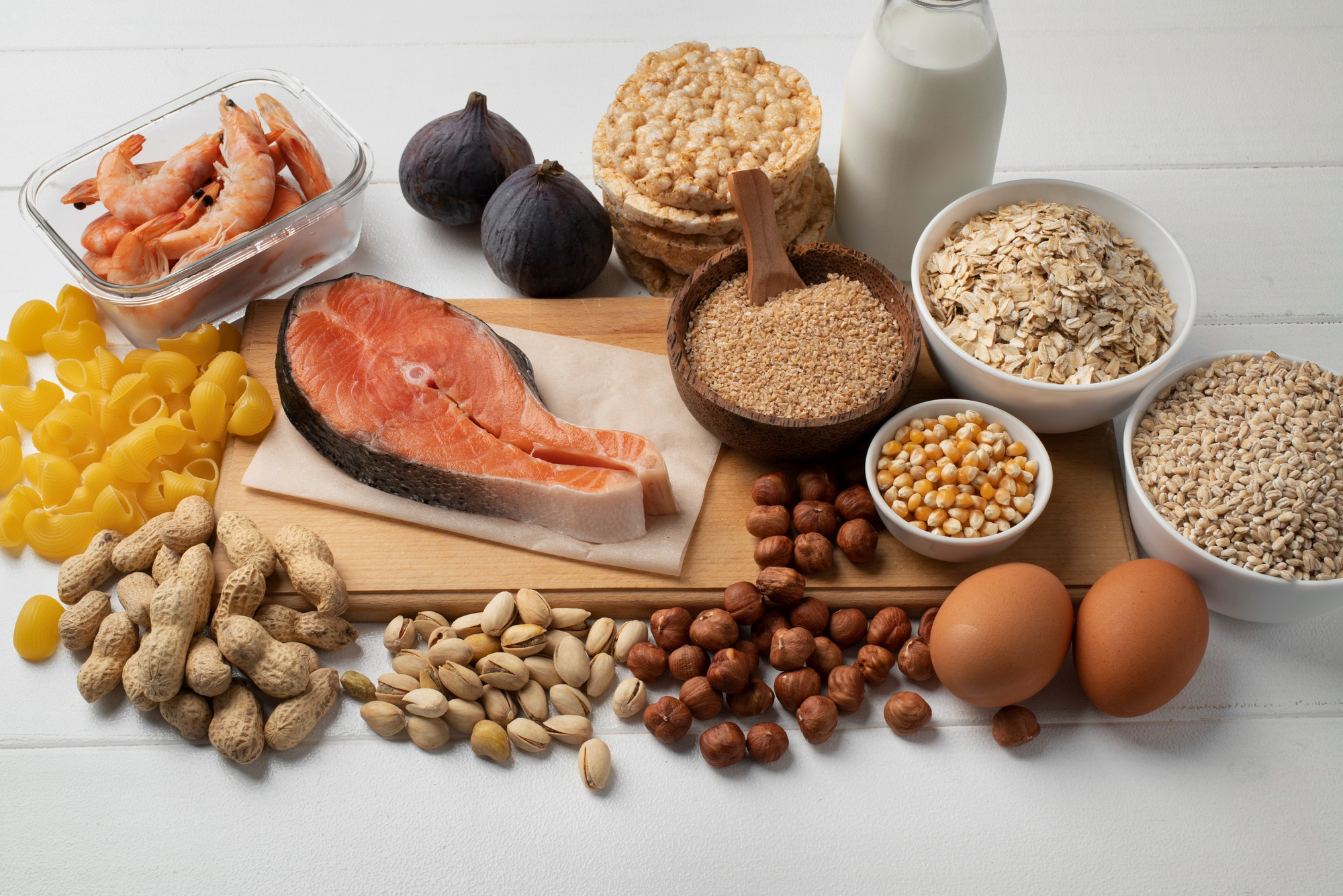
What is Biotin?
Biotin is a water-soluble vitamin that acts as a coenzyme in the body. This means it helps enzymes break down and use nutrients like carbohydrates, fats, and proteins. Without biotin, your body cannot properly convert food into energy.
It is also responsible for the synthesis of keratin, a protein that makes up your hair, skin, and nails. That’s why biotin deficiency often shows up first as hair loss, brittle nails, and skin problems.
Since biotin is water-soluble, it doesn’t stay in the body. Excess amounts are flushed out through urine, which makes it important to consume biotin-rich foods daily.
Why is Biotin Important?
Here are some of the key reasons why biotin is essential for your health:
1. Hair Growth and Hair Health
Biotin improves the structure of keratin, the protein that forms the foundation of hair. Regular intake strengthens hair roots, reduces breakage, and encourages new growth. Many people who suffer from hair thinning or premature hair loss benefit from adding biotin-rich foods to their diet.
2. Glowing Skin
Biotin deficiency can lead to skin problems like dryness, rashes, and dullness. Biotin supports fat metabolism, which keeps skin hydrated and soft. It also improves the barrier function of skin, reducing sensitivity and irritation.
3. Nail Strength
Weak, brittle, or easily breakable nails are often linked to low biotin levels. Studies show that regular biotin intake can increase nail thickness and hardness within 2–3 months, making them less likely to chip or split.
4. Metabolism and Energy
Biotin acts as a coenzyme for breaking down macronutrients. This means it helps the body convert food into usable energy. Without biotin, your metabolism slows down, leading to fatigue, weight gain, and poor nutrient absorption.
5. Brain Function and Mental Health
Biotin plays a role in nerve signaling and brain activity. It supports cognitive function, memory, and mood regulation. A deficiency may lead to mental fatigue, anxiety, or mild depression.
6. Supports Pregnancy and Fetal Development
Pregnant women need higher levels of biotin for healthy fetal growth. It prevents congenital abnormalities and supports overall development. That’s why doctors often recommend a biotin-rich diet during pregnancy.
7. Blood Sugar Regulation
Some research suggests biotin may improve blood sugar control in people with type 2 diabetes. It works by enhancing the body’s response to insulin and improving glucose metabolism.
Symptoms of Biotin Deficiency
Although deficiency is rare, certain conditions like alcoholism, pregnancy, poor diet, or long-term use of antibiotics can reduce biotin levels.
Common symptoms include:
- Thinning hair and hair loss
- Skin rashes around eyes, nose, and mouth
- Brittle nails that break easily
- Fatigue and weakness
- Tingling in hands and feet
- Mood changes like depression or irritability
If you notice these signs, your diet may be lacking in biotin.
Daily Requirement of Biotin
The recommended daily intake of biotin depends on age and health status:
- Adults: 30–100 mcg
- Pregnant women: 30 mcg
- Breastfeeding women: 35 mcg
- Children: 10–25 mcg
Most people can easily meet these requirements through food. Supplements are only necessary in case of deficiency or medical advice.
Best Biotin-Rich Foods You Should Eat
Here’s a detailed list of natural foods high in biotin:
1. Eggs (Especially Yolks)
Egg yolks are one of the richest sources of biotin. One cooked egg provides around 10 mcg, covering one-third of your daily need. Always eat eggs cooked, because raw egg whites contain avidin, a protein that blocks biotin absorption.
Benefits:
- Supports strong hair and nails
- Provides protein for muscle growth
- Improves energy levels
How to eat:
- Boiled eggs at breakfast
- Omelets with vegetables
- Egg curry with chapati
2. Nuts and Seeds
Nuts like almonds, walnuts, and peanuts, and seeds like sunflower and pumpkin seeds, are excellent plant-based sources of biotin. They also provide healthy fats, Vitamin E, and protein.
Biotin content:
- Almonds – 1.5 mcg per ¼ cup
- Sunflower seeds – 2.6 mcg per ¼ cup
Benefits:
- Improves brain function
- Supports heart health
- Provides energy for long hours
How to eat:
- Snack on roasted nuts
- Sprinkle seeds on salads and smoothies
- Use almond or peanut butter on toast
3. Legumes (Peanuts, Chickpeas, Lentils, Soybeans)
Legumes are biotin-rich and also high in protein and fiber. Soybeans are one of the highest plant sources with 19 mcg per 100 g.
Benefits:
- Supports muscle growth
- Improves digestion
- Provides long-lasting energy
How to eat:
- Peanut butter on bread
- Chickpea salad
- Dal with rice or roti
4. Mushrooms
Mushrooms, especially button mushrooms, provide 2–12 mcg per 100 g of biotin. They are also full of antioxidants that boost immunity.
Benefits:
- Strengthens hair and nails
- Protects against infections
- Low in calories, good for weight loss
How to eat:
- Mushroom stir-fry with garlic
- Mushroom curry
- Mushroom soup
5. Whole Grains (Oats, Barley, Wheat)
Whole grains contain moderate amounts of biotin along with fiber, iron, and other B vitamins. Oats are particularly good, with 6 mcg per 100 g.
Benefits:
- Keeps digestion smooth
- Provides energy gradually
- Reduces cholesterol
How to eat:
- Overnight oats with fruits
- Barley soup
- Whole wheat chapatis
6. Bananas
Bananas are a quick source of energy and contain small amounts of biotin (0.2 mcg per fruit). They also provide potassium, magnesium, and fiber.
Benefits:
- Improves digestion
- Reduces fatigue
- Helps regulate blood pressure
How to eat:
- Banana milkshake
- Banana with peanut butter
- Add slices to cereal or oatmeal
7. Avocados
Avocados are creamy fruits rich in biotin (2–6 mcg per fruit), fiber, and healthy fats that are excellent for heart health.
Benefits:
- Improves skin elasticity
- Provides healthy fats for brain function
- Supports weight management
How to eat:
- Avocado toast
- Guacamole dip
- Add to salads or smoothies
8. Sweet Potatoes
Sweet potatoes contain 2.4 mcg per 100 g of biotin. They’re also packed with beta-carotene, which supports eye and skin health.
Benefits:
- Improves immunity
- Supports healthy skin
- Provides slow-releasing energy
How to eat:
- Roasted sweet potatoes
- Sweet potato chaat
- Baked sweet potato fries
9. Dairy Products (Milk, Cheese, Yogurt)
Milk, cheese, and yogurt provide small but useful amounts of biotin. They also supply calcium, protein, and Vitamin D.
Biotin content:
- Milk – 0.3 mcg per cup
- Cheese – 0.4 mcg per slice
Benefits:
- Strengthens bones and teeth
- Provides good protein
- Improves gut health (yogurt)
How to eat:
- Yogurt with honey and seeds
- Cheese in sandwiches
- A glass of milk before bed
10. Meat and Fish
Animal-based sources are some of the highest in biotin. Chicken liver tops the chart with 138 mcg per 100 g. Salmon and tuna also provide 5–10 mcg per serving.
Benefits:
- Rich in protein and omega-3 fatty acids
- Improves muscle strength
- Enhances skin and hair health
How to eat:
- Grilled salmon with veggies
- Chicken curry with rice
- Tuna salad
Biotin Food Chart (Veg & Non-Veg Sources)
|
Food Source |
Biotin Content (approx.) |
Suitable For |
|
Chicken liver |
138 mcg / 100 g |
Non-veg |
|
Egg yolk |
10 mcg / egg |
Non-veg |
|
Salmon |
5 mcg / 100 g |
Non-veg |
|
Almonds |
1.5 mcg / ¼ cup |
Veg |
|
Sunflower seeds |
2.6 mcg / ¼ cup |
Veg |
|
Mushrooms |
2–12 mcg / 100 g |
Veg |
|
Avocado |
2–6 mcg / fruit |
Veg |
|
Sweet potatoes |
2.4 mcg / 100 g |
Veg |
|
Soybeans |
19 mcg / 100 g |
Veg |
|
Bananas |
0.2 mcg / fruit |
Veg |
Tips to Boost Biotin Intake Naturally
- Cook eggs before eating to avoid avidin blocking biotin.
- Mix plant and animal sources for balance.
- Reduce processed foods and alcohol.
- Pair biotin with Vitamin C and zinc for better absorption.
Final Thoughts
Biotin is a super nutrient for your beauty and overall health. Whether you want thicker hair, glowing skin, stronger nails, or better energy, adding biotin-rich foods like eggs, nuts, legumes, mushrooms, avocados, and sweet potatoes can make a big difference.
Instead of rushing to supplements, try to get biotin naturally from food. It’s safer, healthier, and comes with many other nutrients that your body needs.
FAQs on Biotin-Rich Foods
Q1. Which Indian foods are highest in biotin for hair growth?
Eggs, peanuts, soybeans, sunflower seeds, and mushrooms are the best Indian-friendly biotin-rich foods for hair growth. Soybeans offer around 19 mcg per 100g, making them one of the top plant-based sources. Eating these regularly alongside a protein-rich diet gives the best results for reducing hair fall.
Q2. Does cooking destroy biotin in foods?
Some biotin is lost during high-heat cooking, but not enough to cause a deficiency. Boiling and steaming retain more biotin than deep frying. Eggs should always be cooked since raw egg whites block biotin absorption. Overall, lightly cooked or raw plant sources like nuts and seeds preserve the most biotin.
Q3. Can biotin deficiency cause skin problems?
Yes. Low biotin levels commonly cause dry, flaky skin, redness around the nose and mouth, and a dull complexion. Since biotin supports fat metabolism and the skin’s barrier function, a deficiency weakens skin health visibly. Adding eggs, nuts, and legumes to your daily diet usually helps reverse these symptoms over time.
Q4. What is the best time to eat biotin-rich foods for maximum benefit?
There is no fixed best time, but spreading biotin-rich foods across meals works better than eating them all at once. Since biotin is water-soluble and not stored in the body, consistent daily intake matters more than timing. Pairing biotin foods with Vitamin C and zinc improves overall absorption and utilization.
Q5. Are biotin-rich foods good for pregnant women?
Yes, biotin-rich foods are especially important during pregnancy since biotin needs increase. Eggs, legumes, sweet potatoes, and dairy are safe and effective natural sources. However, pregnant women should avoid high-dose biotin supplements unless prescribed. Getting biotin through food is the safest approach and also provides other nutrients vital for fetal development.