















 Follow Us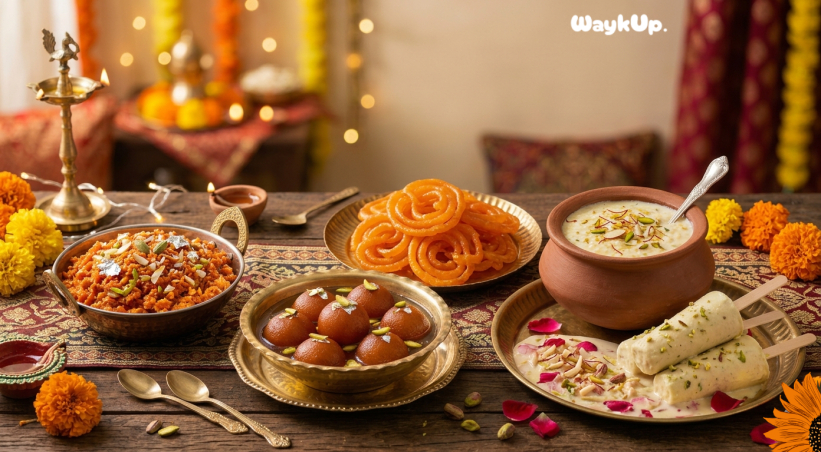
In India, sweets are part of almost every celebration and family gathering. From small towns to big cities, people across India enjoy traditional desserts throughout the year. From the busy lanes of Old Delhi to the royal kitchens of Rajasthan, from the festive homes of Bengal to the warm hearths of Punjab, Indian desserts have always held a very special place at the table.
For many Indians, desserts are closely connected with festivals, weddings, and family traditions. They are the smell of your grandmother’s kitchen during Diwali. They are the first bite of something warm and syrupy on a cold winter morning. This strong cultural connection has helped Indian desserts become popular in many countries, from London cafes to New York restaurants.
What Are the Best Desserts of All Time in India?
The best desserts of all time in India include Gulab Jamun, Jalebi, Kheer, Gajar Ka Halwa, and Kulfi. These sweets are commonly prepared in Indian homes and served during festivals and celebrations. Every dessert has its own flavour, preparation style, and regional popularity. Whether served at weddings, festivals, or everyday meals, these famous Indian mithai represent the heart of India’s rich culinary heritage.
Gulab Jamun: The King of Indian Sweets
Origin and Cultural Importance
Gulab Jamun is one of the most popular sweets, both in India and abroad. Its roots trace back to medieval India, with influences from Persian and Mughal cuisine. The name comes from two words: “gulab” meaning rose water and “jamun” referring to a dark Indian fruit the fried dumplings resemble in shape.
Today, no wedding in North India, no Diwali celebration in any household, and no festive thali is complete without Gulab Jamun.
Taste, Texture, and Variations
These soft, spongy dumplings are made from khoya (reduced milk solids), fried until golden, and soaked in a rose-flavoured sugar syrup. When served warm, Gulab Jamun tastes soft, juicy, and rich and it makes everyone feel happy at the first bite.
Popular variations include:
- Kala Jamun: A darker, firmer version with a slightly caramelised taste
- Gulab Jamun with ice cream: A modern fusion favourite in restaurants
- Baked Gulab Jamun: A lighter version gaining popularity among health-conscious dessert lovers
Why People Love It
It is warm, comforting, and deeply satisfying. You can serve it at a five-star hotel or from a small mithai shop in a village, and it tastes just as good either way. People enjoy it everywhere, from local sweet shops to luxury restaurants, and hotels.
Jalebi: Crispy, Syrupy, and Totally Irresistible
Origin and Cultural Importance
Jalebi has been popular in India for many years and is still widely eaten today. Its history goes back over a thousand years, with mentions in ancient texts and strong connections to West Asian sweets like Zalabia. Today, it is a staple at street food stalls across India, especially in Rajasthan, Delhi, and Uttar Pradesh.
Taste, Texture, and Variations
Made by deep-frying a fermented wheat batter in circular spirals and then soaking them in saffron-laced sugar syrup, Jalebi is crispy on the outside and juicy on the inside. The crispy and light brown outer layer and syrup (Chashni) inside give Jalebi its unique taste.
Popular variations include:
- Paneer Jalebi: A richer version made with cottage cheese, popular in Rajasthan
- Instant Jalebi: A quicker homemade version made without fermentation
- Chocolate Jalebi: A trendy urban spin served in dessert cafes
Best Occasions to Eat
Interestingly, Jalebi is eaten for breakfast in many parts of India, especially in Punjab and Rajasthan where it is paired with hot milk or poha. In India, many families also prepare Jalebi during festivals like Diwali and Eid.
Kheer: India’s Timeless Rice Pudding
Origin and Cultural Importance
In many Indian States, Kheer has been prepared for generations. with references found in ancient Sanskrit texts. Made with rice, milk, and sugar, this creamy dessert has been offered as prasad in temples and served at royal feasts for thousands of years.
Every region has its own version. Bengal makes “Payesh” with gobindobhog rice and jaggery. South India has “Payasam” with vermicelli or moong dal. North India goes classic with long-grain rice and cardamom.
Much like Kheer, many traditional sweets and festive foods from Maharashtra also reflect deep cultural roots and regional cooking styles. From the rich and flavourful Puran Poli prepared during festivals to the soft Modak offered during Ganesh Chaturthi, Maharashtrian cuisine carries a strong connection with traditions and celebrations. Exploring the famous dishes of Maharashtra gives food lovers a better understanding of how different Indian states preserve their culinary identity through both sweet and savoury recipes.
Taste, Texture, and Variations
Kheer has a silky, creamy texture with a gentle sweetness. Cooking milk slowly gives Kheer its creamy texture and deeper flavour. Cardamom, saffron, and dry fruits like cashews and raisins add depth.
Popular variations:
- Vermicelli Kheer (Seviyan)
- Sabudana Kheer (Tapioca Pearl Kheer)
- Makhana Kheer (Fox Nut Kheer), which is considered a healthier Indian dessert option
Best Occasions to Eat
Kheer is made on almost every auspicious occasion in India, from birthdays and weddings to Janmashtami and Navratri.
Gajar Ka Halwa: North India’s Winter Treasure
Origin and Cultural Importance
Gajar Ka Halwa, also known as Gajrela in Punjab, is a slow-cooked carrot-based dessert that screams winter in North India. The moment the weather turns cool and red carrots arrive in markets, every household begins making this comforting sweet.
It is deeply associated with Lohri celebrations in Punjab and winter weddings across Delhi and Haryana.
Taste, Texture, and Variations
Grated carrots are slow-cooked in full-fat milk, ghee, and sugar until they become soft and fragrant. Topped with khoya and garnished with almonds, cashews, and pistachios, Gajar Ka Halwa is rich, warm, and deeply satisfying.
Popular variations:
- Instant Pot Gajar Ka Halwa: A quicker modern method
- Sugar-free Gajar Ka Halwa: Made with dates or jaggery for a healthier twist
- Gajar Halwa with Rabri: Served topped with thick sweetened cream in some dhabas
Kulfi: India’s Original Ice Cream
Origin and Cultural Importance
Kulfi is the original frozen dessert of India, enjoyed for over 400 years. Unlike Western ice cream, Kulfi is denser, creamier, and far more intense in flavour because it is made by slowly reducing milk without any aeration.
It is popular across India but especially loved in street food culture in Delhi, Lucknow, and Mumbai.
Taste, Texture, and Variations
Kulfi has a firm, dense texture and a rich milky taste. Traditional flavours like malai (cream), pistachio, and rose are timeless. But modern versions continue to surprise.
Popular variations:
- Falooda Kulfi: Served with vermicelli, rose syrup, and basil seeds
- Mango Kulfi: A summer favourite
- Matka Kulfi: Served in small clay pots that add an earthy flavour
Why People Love It
Kulfi is a dessert that cools the body and warms the heart. Eating it on a stick under the summer sun is a memory almost every Indian carries.
Comparison Table: Best Indian Desserts at a Glance
|
Dessert |
Main Ingredients |
Served Hot or Cold |
Popular Region |
Best Festival |
|
Gulab Jamun |
Khoya, flour, sugar syrup |
Hot |
Pan-India |
Diwali, Weddings |
|
Jalebi |
Wheat flour, sugar syrup, saffron |
Hot |
North India, Rajasthan |
Navratri, Eid |
|
Kheer |
Rice, milk, sugar, cardamom |
Cold or Warm |
Pan-India |
Janmashtami |
|
Gajar Ka Halwa |
Carrots, milk, ghee, sugar |
Hot |
North India, Punjab |
Lohri, Winter Weddings |
|
Kulfi |
Full-fat milk, sugar, flavourings |
Cold |
Delhi, Lucknow, Mumbai |
Summer, Eid |
Why Indian Desserts Are Famous Worldwide
The popularity of Indian sweets has grown far beyond India’s borders. Here is why:
- Complex flavours: The use of saffron, cardamom, rose water, and dry fruits creates layered taste profiles unlike anything in Western desserts.
- Cultural depth: Each dessert carries centuries of history and tradition, which food lovers worldwide find fascinating.
- Versatility: Indian desserts can be served at street stalls or fine dining restaurants with equal elegance.
- Festival connect: The strong link between Indian mithai and celebrations like Diwali, Eid, and Holi makes them symbols of joy that resonate globally.
- Growing Indian diaspora: Indian communities across the UK, USA, Canada, and Australia have introduced authentic Indian sweets to new audiences.
Tips to Enjoy Traditional Indian Desserts
- Always try Gulab Jamun warm. Cold Gulab Jamun loses much of its charm.
- Pair Jalebi with warm milk or rabri for a full traditional experience.
- Eat Kulfi slowly. Let it soften slightly on your tongue for the best flavour.
- Gajar Ka Halwa tastes best when made with red winter carrots, not orange ones.
- Choose Kheer from a restaurant that slow-cooks it the traditional way. Instant versions rarely match the depth of flavour.
Read Also – Best Instant Coffee Brands in India
Frequently Asked Questions
Which is the most famous dessert in India?
Gulab Jamun is widely considered the most famous dessert in India. It is served at weddings, festivals, and celebrations across every state and is instantly recognised by Indians worldwide.
Which Indian dessert is best for festivals?
Gulab Jamun and Kheer are the top festival desserts in India. Kheer is especially prepared for religious occasions like Janmashtami, while Gulab Jamun is a staple at Diwali and wedding feasts.
What is the healthiest Indian dessert?
Makhana Kheer (Fox Nut Rice Pudding) and sugar-free Gajar Ka Halwa made with jaggery are among the healthier options in traditional Indian desserts. Kheer made with low-fat milk and natural sweeteners also works well for health-conscious people.
Which dessert is served cold in India?
Kulfi is the most popular cold dessert in India. It is a traditional frozen sweet made from reduced full-fat milk and is much denser than regular ice cream. Kheer is also often served chilled, especially during summer months.
Why is Gulab Jamun so popular?
Gulab Jamun is popular because of its universal appeal. It is soft, sweet, fragrant, and available everywhere from roadside mithai shops to five-star hotel buffets. Its warm, melt-in-the-mouth texture makes it deeply comforting and addictive. The combination of rose-flavoured syrup and khoya is simply unforgettable.
Is Jalebi eaten for breakfast in India?
Yes, absolutely. In many parts of North India, especially in Punjab, Rajasthan, and Uttar Pradesh, Jalebi is a popular breakfast item. It is commonly paired with hot milk, poha, or chhena. The crispy sweetness of Jalebi makes it a surprisingly energising morning treat.
Conclusion: Celebrate India One Dessert at a Time
The best desserts of all time in India are more than just sweet dishes. They are stories. They carry the warmth of festivals, the love of family, and the richness of a culture that has celebrated food for thousands of years.
Whether you are biting into a syrup-soaked Gulab Jamun on Diwali night, sharing a bowl of Kheer with family on a quiet evening, or licking a Kulfi stick on a hot summer afternoon in Delhi, each experience connects you to something much larger than yourself.
So the next time you explore popular desserts in India or walk into a mithai shop, go beyond the familiar. Try every flavour. Ask about the story behind each sweet. Because in India, food is never just food. It is culture. It is heritage. And it is always worth celebrating.