















 Follow Us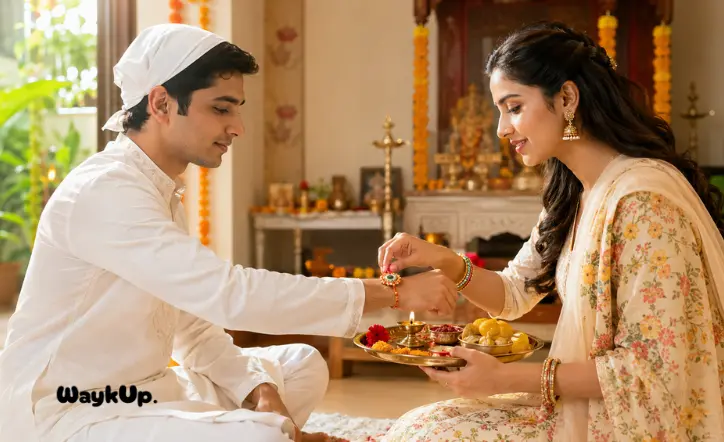
Raksha Bandhan is one of those Indian festivals where the ritual feels simple, but every family seems to have its own way of doing it. A sister prepares the puja thali, a brother takes his place, the tilak goes on, the Rakhi is tied, sweets are exchanged, and everyone reaches for the mithai. Yet, if you want to follow traditional customs more carefully, there are a few details worth remembering.
For Raksha Bandhan 2026, the festival will be observed on Friday, August 28. In New Delhi, the Rakhi thread ceremony is listed from 5:57 AM to 9:48 AM, with Bhadra ending before sunrise. Exact timings can vary by location, so families should check a local Panchang for their city.
Here are seven traditional practices to keep in mind before the ceremony begins.
1. Avoid Bhadra Kaal Before Tying the Rakhi
Bhadra Kaal is one of the first things many families check before Raksha Bandhan. Traditional Hindu calendars advise avoiding the Bhadra period for auspicious activities, including the Rakhi ceremony.
The confusion becomes greater when Purnima and Bhadra overlap, as they do in some years. In 2026, Purnima begins on August 27 and continues into August 28, while the suitable Rakhi window falls after Bhadra has ended.
So, rather than following a fixed clock time from an old family message or social media post:
- Check the Panchang for your city.
- Confirm when Bhadra ends.
- Avoid tying the Rakhi during Bhadra.
- Follow the available Shubh Muhurat after Bhadra.
This is particularly useful for families celebrating across different cities because sunrise and local timings can differ.
2. Ask the Brother to Face East or North
Direction is another traditional detail associated with the Rakhi ceremony. In many customs, the brother sits facing East or North while the sister performs the ritual.
East is traditionally associated with sunrise and auspicious beginnings, while North is also considered favourable in several Hindu ritual practices. The exact practice can differ between families and regional traditions, so it should be treated as a customary guideline rather than a universal rule.
The easiest approach is to arrange the seating before starting the puja. Place a clean asana or chair in the chosen direction and keep the puja thali within easy reach.
A few minutes of preparation can prevent the usual mid-ritual shuffle of chairs, plates and family members.
3. Follow the Shubh Muhurat
The timing of Rakhi is not simply about finding a convenient hour. Traditional observance gives importance to the Shubh Muhurat, particularly the period when Purnima is present and Bhadra has passed.
For New Delhi in 2026, Drik Panchang lists the Raksha Bandhan thread ceremony from 5:57 AM to 9:48 AM on August 28. Purnima Tithi ends at 9:48 AM.
Because the timing changes by location, do not copy Delhi’s timing blindly if you are celebrating elsewhere.
Before Rakhi day, check:
- Purnima Tithi
- Bhadra Kaal
- Local sunrise
- Rakhi Shubh Muhurat
- Any regional customs followed by your family
This becomes especially important when Raksha Bandhan falls close to other significant astronomical or calendar events.
4. Cover the Head During the Ritual
Covering the head is a traditional practice followed in many Indian households during religious ceremonies. Some families ask the brother to wear a small scarf, stole or cloth over his head during the Rakhi ritual, while others do not follow this custom.
If this is part of your family tradition, keep a clean dupatta, stole or handkerchief ready before beginning the puja.
The idea is less about making the ceremony complicated and more about maintaining the respectful atmosphere associated with a religious ritual. Traditional clothing, a clean space and a properly arranged puja thali can make the occasion feel more ceremonial without turning it into a lengthy process.
5. Prepare the Puja Thali Before Everyone Sits Down
A properly prepared Rakhi thali makes the ceremony much smoother. You do not want to start the aarti and then realise the roli is in another room.
A traditional Raksha Bandhan puja thali may include:
- Rakhi
- Roli or kumkum
- Akshat, or unbroken rice grains
- Diya
- Cotton wick and oil or ghee
- Flowers
- Sweets or mithai
- Incense, if your family uses it
- A small amount of sandalwood paste, according to family tradition
You can also keep a clean cloth or small bowl nearby for convenience.
If you are planning the sweets in advance, WaykUp’s guide to the best desserts in India offers ideas ranging from Kheer and Gulab Jamun to Kulfi. For a more savoury festive spread, the guide to famous dishes of Maharashtra is another useful source of regional food inspiration.
The key is preparation. Once everyone is seated, the ritual should feel calm rather than rushed.
6. Worship the Deities First
Many families begin the Rakhi ceremony by seeking blessings from Lord Ganesha, their family deity or other deities worshipped at home.
This can be as simple as lighting a diya, offering flowers and saying a short prayer before beginning the sibling ritual. In some traditions, the first Rakhi may also be offered or tied to a deity before the brother’s Rakhi is performed. Practices vary considerably between households.
The underlying idea is to begin the auspicious occasion with prayer and blessings.
If your family maintains a dedicated home mandir, clean the space beforehand and keep the puja items organised. If you want to read more about Indian temple traditions and pilgrimage customs, WayKUp’s guide to Puri Jagannath Temple provides a detailed look at one of India’s most significant sacred sites.
7. Tie the Rakhi on the Right Wrist and Make the Knots Carefully
The central moment arrives when the sister ties the Rakhi around her brother’s right wrist, following the common traditional practice. A tilak is generally applied before the Rakhi, followed by aarti and sweets.
The knot itself is not something that needs to be rushed. Tie it securely enough that the Rakhi stays in place, but avoid making it uncomfortably tight.
Some families make multiple knots while reciting a prayer or following a specific family tradition. Others simply tie the Rakhi securely and continue with the aarti. There is no need to turn the process into a complicated ritual if your family follows a simpler custom.
A practical example makes this easy to picture. Imagine a sister in Noida preparing for Rakhi morning. She checks the local Muhurat the night before, puts roli, rice, diya, flowers, sweets and the Rakhi into one thali, keeps a dupatta ready, and arranges her brother’s seat facing East. When the family gathers, there is no last-minute search for missing items. The tilak, aarti, Rakhi and sweets happen smoothly, leaving everyone free to enjoy the family time afterwards.
A Simple Raksha Bandhan Order to Follow
If you want a straightforward sequence, use this:
- Clean and prepare the puja area.
- Arrange the puja thali.
- Check the local Shubh Muhurat and avoid Bhadra.
- Seat the brother facing East or North, according to family custom.
- Cover the head if your family follows this tradition.
- Worship Lord Ganesha or the family deity first.
- Apply tilak and akshat.
- Perform aarti.
- Tie the Rakhi on the brother’s right wrist.
- Offer sweets and exchange gifts.
For gift ideas, WayKUp’s current guide to Raksha Bandhan gifts for brothers and sisters covers practical, personalised and budget-friendly options, including ideas for siblings who live in different cities.
FAQs About Raksha Bandhan Rituals
1. What is the best time to tie Rakhi in 2026?
For New Delhi, the Raksha Bandhan 2026 thread ceremony is listed from 5:57 AM to 9:48 AM on August 28. Timings can vary by city, so check a local Panchang before performing the ritual.
2. Can Rakhi be tied during Bhadra Kaal?
Traditional Hindu observances generally advise against tying Rakhi during Bhadra Kaal. Families following this custom should wait until Bhadra ends and then perform the ceremony during an appropriate Muhurat.
3. Which direction should the brother face while Rakhi is tied?
Many families traditionally seat the brother facing East or North during the Rakhi ceremony. Regional and family customs can differ, so follow the practice traditionally observed in your household.
4. Which wrist should the Rakhi be tied on?
The Rakhi is traditionally tied around the brother’s right wrist. The sister usually performs the tilak and aarti before tying the Rakhi and offering sweets.
5. What should be kept in a Rakhi puja thali?
A typical puja thali can include Rakhi, roli or kumkum, akshat, diya, flowers, sweets and other items used according to family tradition. Preparing everything beforehand makes the ceremony easier to manage.
6. Is covering the head compulsory during Raksha Bandhan?
No single practice applies to every family. Covering the head is a traditional custom followed in many households during religious ceremonies, but families may choose whether to observe it based on their regional and family traditions.
Final Word
Raksha Bandhan does not need to become a complicated checklist of rules. The value of these traditions lies in performing them with care and understanding. Check the Muhurat, avoid Bhadra if your family follows that custom, prepare the thali beforehand, arrange the seating, and perform the ritual without rushing.
The rest is what makes Rakhi special anyway: siblings sitting together, old jokes returning within minutes, a little teasing during the gift exchange, and one more family memory added to the collection.
If your Raksha Bandhan plans include a short trip around the festival, WayKUp’s guide to the best places to visit in August 2026 can also help with monsoon travel ideas.