
















 Follow Us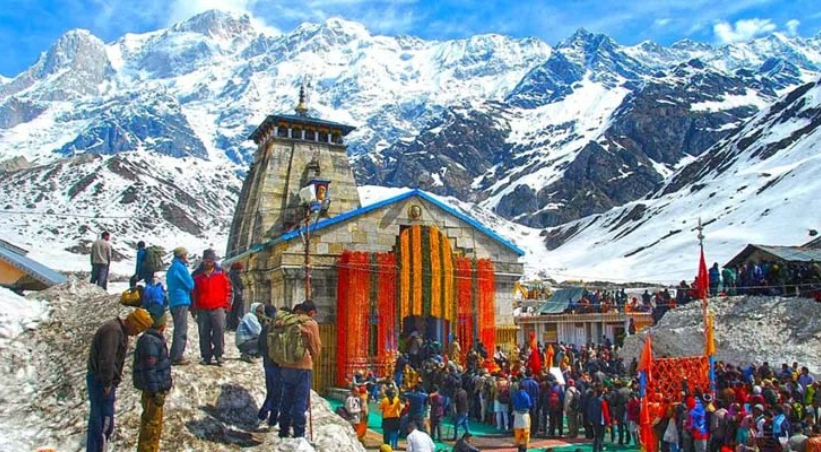
Planning a pilgrimage to Kedarnath, one of the most sacred Hindu temples nestled in the Garhwal Himalayas? This spiritual journey requires more than just devotion—it demands careful preparation. At an altitude of 3,583 meters (11,755 feet), Kedarnath presents unique challenges that can make or break your experience. Whether you’re a first-time pilgrim or a seasoned traveler, knowing what to pack for your Kedarnath trip is crucial for a safe, comfortable, and memorable journey.
This comprehensive guide covers everything you need to carry, from essential clothing and gear to medicines and documents, ensuring you’re fully prepared for this divine adventure in the Himalayas.
Understanding the Kedarnath Journey
Before diving into the packing list, it’s important to understand what makes Kedarnath unique. The temple sits in a remote mountain valley, accessible only by a challenging 16-kilometer trek from Gaurikund or via helicopter service. The weather can be extremely unpredictable, with temperatures ranging from 0°C to 18°C even during peak season (May to October). Rain, snow, and sudden weather changes are common, making proper preparation absolutely essential.
Essential Clothing for Kedarnath Trek
Layered Clothing System
The key to staying comfortable during your Kedarnath pilgrimage is layering. Mountain weather changes rapidly, and you’ll need clothing that adapts to varying conditions.
Base Layer (Inner Wear):
- Thermal innerwear (top and bottom) – at least 2 sets
- Moisture-wicking t-shirts
- Comfortable undergarments (cotton or synthetic)
- Woolen or thermal socks (3-4 pairs)
Mid Layer (Insulation):
- Fleece jacket or pullover
- Woolen sweater or cardigan
- Full-sleeve shirts or t-shirts
- Comfortable trekking pants (quick-dry material)
Outer Layer (Protection):
- Waterproof windproof jacket (absolutely essential)
- Rain poncho or raincoat with hood
- Windproof gloves
- Woolen or fleece cap to protect ears
- Scarf or muffler for neck protection
Footwear Essentials
Your feet will carry you through 16 kilometers of mountain terrain, so choosing the right footwear is critical:
- Trekking shoes with good ankle support and grip (worn-in, not new)
- Waterproof hiking boots (recommended)
- Comfortable slippers or sandals for temple visit and rest
- Gaiters to prevent snow/water from entering shoes (optional but helpful)
Pro Tip: Break in your trekking shoes at least 2-3 weeks before your journey to avoid blisters and discomfort.
Trekking Gear and Equipment
Must-Have Trekking Accessories
| Item | Purpose | Priority |
|---|---|---|
| Trekking pole/Walking stick | Balance and knee support | High |
| Backpack (40-50L) | Carry essentials comfortably | High |
| Headlamp/Torch with extra batteries | Early morning treks, power cuts | High |
| Sleeping bag | Warmth (if camping) | Medium |
| Trekking umbrella | Sun and rain protection | Medium |
| Dry bag | Keep valuables dry | High |
Protection from Elements
The Himalayan sun can be deceptively strong, while nights are freezing:
- Sunglasses with UV protection
- Sunscreen (SPF 50+) and lip balm with SPF
- Moisturizer for dry mountain air
- Personal hygiene items (wet wipes, sanitizer, tissues)
- Water bottle (1-2 liters capacity, insulated preferred)
- Water purification tablets or filter (optional)
Medical Kit and Health Essentials
First Aid Supplies
A well-stocked medical kit can be a lifesaver in the mountains:
Basic Medications:
- Diamox (for altitude sickness – consult doctor)
- Pain relievers (paracetamol, ibuprofen)
- Antacids and digestive enzymes
- Anti-diarrheal medication (Loperamide)
- Cold and cough medicine
- Antibiotic ointment
- Band-aids and bandages
- Muscle pain relief spray or cream
Personal Medical Items:
- Prescription medicines (carry extra)
- Glucose or energy powder
- ORS (Oral Rehydration Solution) packets
- Antiseptic liquid or wipes
- Cotton and gauze
- Personal health monitoring devices (if required)
Health Precautions
Altitude sickness is a real concern at Kedarnath. Symptoms include headache, nausea, dizziness, and breathlessness. Stay hydrated, ascend gradually, and consult a doctor if symptoms persist.
Important Documents and Money
Essential Documents to Carry
Never underestimate the importance of proper documentation:
- Government-issued photo ID (Aadhar card, passport, driving license)
- Yatra registration receipt (if applicable)
- Hotel/guest house booking confirmations
- Helicopter booking confirmation (if applicable)
- Travel insurance documents
- Emergency contact numbers (written down)
- Photocopies of all documents (keep separately)
Financial Preparations
- Sufficient cash (ATMs are limited; carry small denominations)
- Credit/debit cards (backup)
- Keep money in waterproof pouch or bag
- Carry Rs. 50-100 in coins for offerings and small purchases
Food and Nutrition Items
While food is available along the route, carrying your own snacks is advisable:
Energy-Boosting Foods:
- Dry fruits (almonds, cashews, raisins, dates)
- Energy bars or protein bars
- Chocolate (for instant energy)
- Biscuits or crackers
- Glucose tablets or candy
- Instant noodles or soup packets (optional)
- Electrolyte powder or drinks
Important: Avoid carrying perishable items. The trek is physically demanding, so light, energy-dense food works best.
Electronics and Gadgets
Communication and Safety Devices
- Mobile phone with fully charged battery
- Power bank (20,000 mAh minimum) with charging cables
- Camera with extra batteries (capture memories)
- Portable charger for multiple devices
- Headphones (for entertainment during rest)
- Waterproof cover for electronics
Network Note: Mobile connectivity is available at Kedarnath but can be unreliable. BSNL typically has the best coverage in this region.
Personal Care and Hygiene Items
Maintaining hygiene in mountain conditions requires special attention:
- Toothbrush, toothpaste, and dental floss
- Biodegradable soap and shampoo
- Quick-dry towel (microfiber)
- Toilet paper and wet wipes
- Hand sanitizer (alcohol-based)
- Moisturizer and cold cream
- Comb and basic grooming kit
- Ladies: Sanitary products and disposal bags
- Nail cutter and tweezers
Spiritual and Religious Items
Since Kedarnath is a pilgrimage, you might want to carry:
- Pooja items (if you wish to perform rituals)
- Small prasad to offer
- Religious books or prayer book
- Rudraksha or spiritual accessories
- Notebook to record your spiritual experience
Miscellaneous but Important Items
Additional Essentials
- Plastic bags (multiple sizes for waste, wet clothes, segregation)
- Zip-lock bags (keep items organized and dry)
- Duct tape or safety pins (quick fixes)
- Matchbox or lighter (waterproof)
- Emergency whistle
- Multi-tool or Swiss knife
- Notebook and pen
- Binoculars (for scenic views – optional)
Environmental Responsibility
- Carry all waste back with you (plastic, wrappers, bottles)
- Biodegradable trash bags
- Respect the environment—leave no trace behind
Season-Specific Packing Tips
Summer Season (May-June)
- Light woolens sufficient
- Sun protection extremely important
- Carry rain gear (pre-monsoon showers common)
- Less heavy clothing needed
Monsoon Season (July-August)
Trek often closed due to landslides—check before planning
- Extra waterproof protection if traveling
- Multiple rain ponchos
- Waterproof bag covers essential
Autumn Season (September-October)
- Best weather for trekking
- Moderate woolen clothing
- Clear skies—perfect for photography
- Comfortable temperature range
Winter Preparations (November-April)
Temple closed during this period due to heavy snow. The region becomes completely inaccessible.
What NOT to Carry
Being mindful of weight and practicality is equally important:
- Heavy luggage or suitcases (backpack only)
- Excessive clothing changes
- Valuable jewelry or expensive items
- Glass bottles (opt for plastic)
- Heavy books (use digital alternatives)
- Hairdryer or styling tools
- Non-essential electronics
- Alcohol or prohibited substances
Packing Strategy and Weight Management
Smart Packing Tips
- Use compression bags to save space
- Roll clothes instead of folding
- Keep frequently used items accessible
- Use backpack compartments efficiently
- Distribute weight evenly
- Keep waterproof items in outer pockets
- Total backpack weight shouldn’t exceed 10-12 kg
Backpack Organization
- Bottom section: Sleeping bag, extra clothes
- Middle section: Food, medical kit, extra layers
- Top section: Rain gear, documents, valuables
- Side pockets: Water bottle, snacks, trekking pole
- Front pocket: First aid, torch, frequently needed items
Pre-Trip Preparation Checklist
Two weeks before departure:
- ✓ Start physical fitness training
- ✓ Break in your trekking shoes
- ✓ Get medical check-up if needed
- ✓ Book accommodation and helicopter (if required)
- ✓ Register for yatra (when mandatory)
One week before:
- ✓ Check weather forecast
- ✓ Purchase missing items
- ✓ Test all equipment and electronics
- ✓ Organize documents
- ✓ Inform family about itinerary
Day before departure:
- ✓ Pack everything as per checklist
- ✓ Charge all devices
- ✓ Get sufficient rest
- ✓ Double-check documents and money
- ✓ Keep emergency numbers handy
Final Tips for a Successful Kedarnath Trip
Physical Preparation: Start walking 4-5 km daily at least three weeks before your trip. Build stamina gradually. Practice walking uphill if possible.
Mental Preparation: The journey tests both body and mind. Maintain a positive attitude, take breaks when needed, and don’t rush.
Acclimatization: Spend a day at Guptkashi or similar altitude before attempting the trek to Kedarnath. This helps your body adjust.
Travel Insurance: Consider purchasing comprehensive travel insurance covering medical emergencies, helicopter evacuation, and trip cancellations.
Local Guidance: Hire local guides or porters if needed. They know the terrain, weather patterns, and can assist in emergencies.
Conclusion: Be Prepared, Stay Safe, Embrace the Experience
A pilgrimage to Kedarnath is more than just a trip—it’s a transformative spiritual journey through some of the most breathtaking Himalayan landscapes. Proper preparation and packing the right essentials ensure that you can focus on the spiritual significance of your visit rather than struggling with discomfort or safety concerns.
Remember, the key is balance—pack everything essential without overburdening yourself. The 16-kilometer trek becomes significantly easier when you’re carrying only what you truly need. Respect the mountains, respect the environment, and carry all your waste back with you.
Start your preparations early, create your personalized checklist based on this guide, and embark on your Kedarnath adventure with confidence. May your journey be safe, comfortable, and spiritually enriching!
Ready to start your Kedarnath pilgrimage? Share this guide with fellow travelers and help them prepare for this incredible Himalayan experience. Have questions or additional tips? Leave them in the comments below!
Frequently Asked Questions (FAQs)
Q1: What is the most important item to carry for the Kedarnath trek?
The most critical items are proper trekking shoes with good ankle support and a waterproof jacket. The terrain is challenging with steep ascents, and weather can change rapidly from sunny to rainy within hours. Good footwear prevents injuries and blisters, while waterproof protection keeps you dry and warm. Additionally, carry altitude sickness medication after consulting a doctor, as the temple sits at 11,755 feet. Without these essentials, your pilgrimage can become uncomfortable or even dangerous.
Q2: How much cash should I carry for the Kedarnath trip?
Carry at least Rs. 5,000-8,000 in cash with small denominations (Rs. 10, 20, 50, 100 notes). ATMs are scarce in mountain regions and may not function due to connectivity issues or power cuts. You’ll need cash for accommodation, food, offerings at the temple, porter/pony charges, and emergencies. Keep money in a waterproof pouch and distribute it across different bags. Having extra cash provides security, though avoid carrying excessive amounts for safety reasons.
Q3: Can I carry a suitcase or trolley bag for the Kedarnath trek?
Absolutely not. You must carry a comfortable backpack (40-50 liters capacity) with padded shoulder straps and hip belt. The 16-kilometer trek involves steep mountain paths, narrow routes, and stairs where wheeled luggage is completely impractical and dangerous. A backpack distributes weight evenly across your body, leaving your hands free for balance. Pack light—your total bag weight shouldn’t exceed 10-12 kg. Porters are available if needed, but even they prefer backpacks over suitcases for mountain terrain.
Q4: What medicines are essential for preventing altitude sickness at Kedarnath?
Diamox (Acetazolamide) is the primary medication for altitude sickness prevention, but take it only after consulting a doctor. Carry pain relievers for headaches, ORS packets for hydration, and digestive medicines as altitude affects digestion. Include glucose powder or tablets for instant energy. Symptoms of altitude sickness include severe headache, nausea, dizziness, and breathlessness. If symptoms persist despite medication, descend immediately. Stay well-hydrated, avoid alcohol, ascend gradually, and rest adequately. Prevention is better than treatment at high altitudes.
Q5: Is it necessary to carry food items, or is food available throughout the trek?
While food stalls and dhabas are available at various points along the Kedarnath route, carrying your own energy-dense snacks is highly recommended. Pack dry fruits, energy bars, biscuits, chocolate, and glucose tablets for quick energy during the trek. These lightweight options provide necessary calories and motivation during challenging sections. Restaurant food may not always suit your taste or digestive system. Having personal snacks ensures you’re never hungry, which is crucial for maintaining energy at high altitudes. Avoid carrying perishable items or heavy food that adds unnecessary weight.