
















 Follow Us
Hair loss can be a distressing experience that affects your confidence and self-esteem. Whether you’re noticing more strands in your brush, thinning patches, or a receding hairline, understanding the underlying causes and implementing effective solutions can make a significant difference. This comprehensive guide will walk you through proven strategies to combat hair loss and promote healthy hair growth.
Understanding Hair Loss: Why It Happens
Before diving into solutions, it’s essential to understand why hair loss occurs. The average person loses 50-100 hairs daily as part of the natural hair growth cycle. However, excessive shedding may indicate an underlying issue.
Common causes include:
- Genetic predisposition (androgenetic alopecia)
- Hormonal changes and imbalances
- Nutritional deficiencies
- Stress and anxiety
- Medical conditions like thyroid disorders
- Certain medications
- Harsh hair treatments and styling practices
- Age-related thinning
Essential Tips to Prevent Hair Loss Naturally
1. Nourish Your Hair from Within
Nutrition plays a crucial role in maintaining healthy hair growth. Your hair follicles require specific vitamins and minerals to function optimally.
Key nutrients for hair health:
- Protein: Hair is primarily made of keratin, a protein that requires adequate dietary protein
- Iron: Supports oxygen delivery to hair follicles
- Biotin (Vitamin B7): Promotes hair growth and strengthens hair shaft
- Vitamin D: Stimulates hair follicles and supports new growth
- Omega-3 fatty acids: Nourishes hair and supports thickness
- Zinc: Aids in hair tissue growth and repair
- Vitamin E: Provides antioxidant protection to the scalp
Consider incorporating foods like eggs, fatty fish, nuts, seeds, leafy greens, and berries into your daily diet.
2. Adopt a Gentle Hair Care Routine
Your daily hair care practices significantly impact hair health and can either prevent or contribute to hair loss.
Follow these gentle care guidelines:
- Use a mild, sulfate-free shampoo appropriate for your hair type
- Avoid washing hair with extremely hot water
- Limit shampooing to 2-3 times per week
- Apply conditioner only to hair ends, not the scalp
- Pat hair dry gently instead of vigorous rubbing
- Use a wide-toothed comb on wet hair
- Minimize heat styling tools usage
- Avoid tight hairstyles that pull on hair roots
3. Manage Stress Effectively
Chronic stress is a significant contributor to telogen effluvium, a condition causing excessive hair shedding. When you’re stressed, your body redirects resources away from non-essential functions like hair growth.
Stress management techniques include:
- Regular meditation and mindfulness practices
- Deep breathing exercises
- Yoga and physical exercise
- Adequate sleep (7-9 hours nightly)
- Engaging in hobbies you enjoy
- Seeking professional counseling when needed
- Maintaining work-life balance
4. Scalp Care: The Foundation of Healthy Hair
A healthy scalp creates the optimal environment for hair growth. Think of your scalp as the soil where hair grows—it needs proper care and attention.
Scalp care essentials:
- Regular scalp massages to improve blood circulation
- Keep scalp clean but not over-washed
- Use scalp exfoliating treatments monthly
- Avoid product buildup by using clarifying shampoo occasionally
- Protect scalp from sun damage
- Address dandruff or scalp conditions promptly
- Consider using scalp serums with growth-promoting ingredients
5. Natural Remedies and Treatments
Several natural remedies for hair loss have shown promising results in promoting hair growth and reducing shedding.
Effective natural treatments:
- Onion juice: Rich in sulfur, which boosts collagen production
- Aloe vera: Soothes scalp and conditions hair
- Coconut oil: Penetrates hair shaft to prevent protein loss
- Green tea: Contains antioxidants that may promote growth
- Rosemary oil: Stimulates blood circulation to the scalp
- Peppermint oil: Increases follicle depth and hair count
- Fenugreek seeds: Contains proteins and nicotinic acid
6. Medical Treatments and Professional Help
When home remedies for hair loss aren’t sufficient, medical interventions may be necessary.
Professional treatment options:
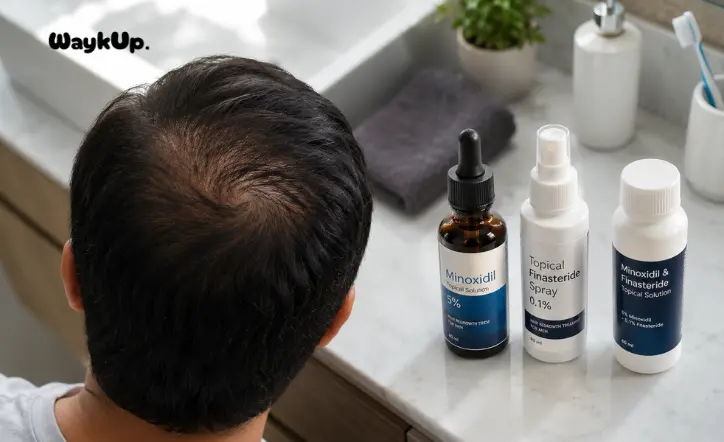
- Minoxidil (Rogaine): Over-the-counter topical treatment
- Finasteride (Propecia): Prescription medication for male pattern baldness
- Platelet-Rich Plasma (PRP) therapy: Uses your blood’s growth factors
- Low-level laser therapy: Stimulates follicles with red light
- Hair transplant surgery: For permanent restoration
- Corticosteroid injections: For alopecia areata
Always consult a dermatologist or trichologist before starting any medical treatment.
7. Lifestyle Modifications for Hair Health
Your overall lifestyle significantly impacts hair health and growth. Making positive changes can create lasting improvements.
Important lifestyle factors:
- Quit smoking, which restricts blood flow to follicles
- Limit alcohol consumption
- Stay hydrated (8-10 glasses of water daily)
- Exercise regularly to improve circulation
- Avoid crash diets that deprive your body of nutrients
- Manage underlying health conditions
- Take breaks from chemical treatments and coloring
8. Supplement Smartly
While getting nutrients from food is ideal, supplements for hair growth can help fill nutritional gaps.
Consider these supplements:
- Biotin (2.5-5 mg daily)
- Collagen peptides
- Multivitamins with iron
- Vitamin D3
- Marine collagen
- Saw palmetto extract
- Viviscal or Nutrafol
Always consult your healthcare provider before starting supplements, especially if you take medications.
Comparison: Hair Loss Treatment Options
| Treatment Type | Effectiveness | Cost | Time to See Results | Side Effects |
|---|---|---|---|---|
| Minoxidil | High | Low-Moderate | 3-6 months | Scalp irritation, unwanted facial hair |
| Finasteride | High | Moderate | 4-6 months | Sexual dysfunction, depression |
| PRP Therapy | Moderate-High | High | 3-6 months | Minimal, temporary soreness |
| Natural Remedies | Low-Moderate | Low | 6-12 months | Very rare, allergic reactions |
| Hair Transplant | Very High | Very High | 6-12 months | Scarring, infection risk |
| Laser Therapy | Moderate | Moderate-High | 3-6 months | Minimal |
| Dietary Changes | Moderate | Low | 6-12 months | None |
| Scalp Massage | Low-Moderate | Very Low | 6+ months | None |
What to Avoid: Common Hair Loss Mistakes
Understanding what not to do is equally important for preventing hair loss naturally.
Avoid these harmful practices:
- Over-washing or under-washing your hair
- Using harsh chemical treatments repeatedly
- Ignoring early signs of excessive shedding
- Self-diagnosing without professional consultation
- Believing miracle cure claims
- Tight hairstyles like ponytails and braids daily
- Brushing wet hair aggressively
- Skipping regular scalp care
When to See a Doctor
While some hair thinning is normal, certain signs warrant professional evaluation.
Seek medical attention if you experience:
- Sudden, rapid hair loss
- Patchy bald spots
- Hair loss accompanied by itching, burning, or pain
- Hair breaking off near the scalp
- Complete eyebrow or eyelash loss
- Unexplained weight changes with hair loss
- Other symptoms like fatigue or mood changes
Building Your Hair Loss Prevention Plan
Creating a comprehensive hair loss treatment strategy involves combining multiple approaches.
Your action plan should include:
- Immediate actions (Start today)
- Switch to gentle hair care products
- Begin taking a quality multivitamin
- Reduce heat styling frequency
- Short-term goals (1-3 months)
- Establish a consistent hair care routine
- Implement stress management techniques
- Improve dietary habits
- Try scalp massage daily
- Long-term commitment (3-12 months)
- Monitor progress with photos
- Consider professional treatments if needed
- Maintain healthy lifestyle habits
- Adjust approach based on results
Frequently Asked Questions
Q1: How long does it take to see results from hair loss treatments?
Most hair growth treatments require patience and consistency. Natural remedies typically show results within 6-12 months, while medical treatments like minoxidil may produce visible improvements in 3-6 months. Hair grows approximately half an inch per month, so noticeable changes take time. Continue your chosen treatment for at least 6 months before evaluating effectiveness. Remember that initial shedding is normal when starting some treatments as the hair cycle resets.
Q2: Can stress-related hair loss be reversed completely?
Yes, stress-induced hair loss (telogen effluvium) is usually temporary and reversible. Once you identify and manage the stressors, hair typically regrows within 6-9 months without permanent damage to follicles. However, chronic stress can lead to prolonged shedding. Implementing stress management techniques like meditation, exercise, and adequate sleep helps restore normal hair growth cycles. If stress-related hair loss persists beyond a year, consult a healthcare professional to rule out other underlying conditions.
Q3: Are expensive hair loss treatments more effective than affordable options?
Not necessarily. Treatment effectiveness depends on the cause of your hair loss and individual response rather than price. FDA-approved minoxidil is relatively affordable and highly effective for many people. Some expensive treatments like PRP therapy show good results but aren’t superior for everyone. Natural remedies like scalp massage and dietary improvements cost almost nothing yet can be quite effective. Focus on evidence-based treatments appropriate for your specific type of hair loss rather than assuming higher cost equals better results.
Q4: How can I tell if my hair loss is genetic or due to other factors?
Genetic hair loss (androgenetic alopecia) typically follows predictable patterns—receding hairline and crown thinning in men, overall thinning in women—and progresses gradually. Family history of baldness is a strong indicator. Other types of hair loss may be sudden, patchy, or accompanied by scalp symptoms. A dermatologist can perform examinations including pull tests, scalp analysis, and blood work to determine the cause. Understanding the root cause is essential for choosing the most effective treatment approach for your situation.
Q5: Is it normal to lose more hair during certain seasons?
Yes, seasonal hair shedding is a normal phenomenon many people experience. Research suggests hair loss may increase during late summer and fall due to the natural hair growth cycle. During these periods, more follicles enter the telogen (resting) phase simultaneously. This seasonal shedding is temporary and typically resolves on its own. However, if you notice excessive shedding lasting beyond a few months or significant thinning, it’s worth consulting a healthcare professional to rule out other underlying causes requiring treatment.
Final Thoughts: Your Journey to Healthier Hair
Fighting hair loss requires a multifaceted approach combining proper nutrition, gentle hair care, stress management, and potentially medical treatments. Remember that hair growth is a slow process—what matters most is consistency and patience with your chosen strategies.
Start by implementing the tips for preventing hair loss that resonate most with your lifestyle and circumstances. Track your progress with regular photos, and don’t hesitate to seek professional guidance when needed. Every small step you take toward better hair health contributes to the overall improvement.
Your hair is unique, and what works for one person may not work identically for another. Be willing to experiment with different natural hair loss remedies and professional treatments until you find the combination that works best for you. With dedication and the right approach, you can successfully combat hair loss and enjoy healthier, fuller hair for years to come.