














 Follow Us
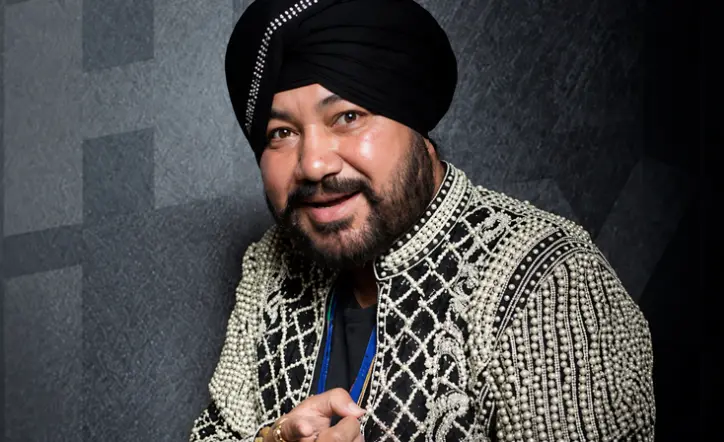
When people think of energetic Punjabi music, colourful turbans, powerful vocals, and dance numbers that bring everyone to their feet, one name immediately comes to mind: Daler Mehndi. With his unmistakable voice and larger-than-life personality, he helped take Bhangra beyond traditional celebrations and introduce Punjabi pop music to audiences across India and around the world.
From the massive success of Bolo Ta Ra Ra to the internet phenomenon Tunak Tunak Tun, his journey is a story of musical ambition, cultural identity, and the power of independent Indian pop music.
But who is Daler Mehndi beyond his famous songs? How did he become one of India’s most recognisable Punjabi singers, and what made his music stand out in an industry dominated by Bollywood soundtracks?
Let’s explore his early life, musical journey, biggest hits, and lasting influence on Indian music.
Who Is Daler Mehndi?
Daler Mehndi is an Indian singer, songwriter, composer, and music producer known for popularising Bhangra and Punjabi pop music. Born on 18 August 1967 in Patna, Bihar, he became a household name during the 1990s through his energetic performances and commercially successful music albums.
His music combines elements of Punjabi folk, traditional Indian musical styles, and contemporary pop arrangements. This combination helped him develop a distinctive sound that appealed to listeners who enjoyed both traditional Punjabi rhythms and modern dance music.
Unlike many singers who first became famous through Bollywood playback singing, Mehndi established his identity through independent music albums. His success demonstrated that Indian pop artists could build substantial audiences without depending entirely on film soundtracks.
His signature appearance, featuring colourful turbans, elaborate outfits, and expressive stage movements, also became an important part of his public identity.
Early Life: Where Did Daler Mehndi’s Musical Journey Begin?
Daler Mehndi was born into a family with a musical background. His early exposure to traditional Indian music played an important role in shaping his understanding of rhythm, melody, and vocal performance.
He developed an interest in singing at a young age and studied traditional musical forms. His training helped him build the vocal control and expressive style that later became central to his performances.
Although his career eventually became closely associated with Punjabi pop, his musical approach was not limited to one genre. Traditional Indian influences remained an important part of his sound, even when he experimented with contemporary arrangements.
His early journey also involved performing before large audiences and developing the confidence required to command a stage.
These experiences prepared him for a music industry that was beginning to change. During the 1990s, television channels, music labels, and music videos were creating new opportunities for independent artists. Mehndi was among the performers who successfully used this changing environment to reach a much wider audience.
The Breakthrough: How Bolo Ta Ra Ra Changed His Career
Daler Mehndi’s career took a major turn in 1995 with the release of his debut album, Bolo Ta Ra Ra.
At the time, Hindi film music dominated much of India’s mainstream music market. Regional folk music had strong cultural roots, but independent Punjabi pop was still developing its position in the commercial music industry.
Mehndi brought a fresh approach. His debut album combined catchy melodies, energetic Punjabi rhythms, memorable hooks, and a vocal style that was difficult to confuse with anyone else’s.
The title track, Bolo Ta Ra Ra, quickly became a major hit. Its lively sound made it popular at weddings, parties, college events, and other celebrations.
The album’s success was significant for another reason: it showed that an independent Punjabi music release could compete with mainstream film music for public attention.
Instead of waiting for a Bollywood opportunity to establish his name, Mehndi built a strong identity through his own albums. His early success helped create more space for non-film Indian pop music and encouraged audiences to explore artists outside the traditional film industry.
Tunak Tunak Tun: The Song That Became a Global Phenomenon
If Bolo Ta Ra Ra established Daler Mehndi as a major Punjabi pop star, Tunak Tunak Tun helped turn him into a global pop-culture icon.
Released in 1998, the song became famous for its infectious rhythm, memorable chorus, and instantly recognisable music video. It was energetic, playful, and easy for audiences to remember, making it a natural favourite for dance performances and celebrations.
The music video was particularly distinctive for its time. It used chroma-key visual effects to place Mehndi in colourful, digitally created surroundings. Rather than relying on a conventional storyline, the video focused on the singer, his movements, and the song’s vibrant atmosphere.
That creative decision helped give the track a visual identity of its own.
Years later, the song experienced another wave of popularity through the internet. Online videos, memes, gaming communities, and social media introduced it to younger audiences who may not have been familiar with its original release.
For many international listeners, Tunak Tunak Tun became their first introduction to Daler Mehndi and Punjabi pop music.
Its lasting appeal demonstrates how a song can find new audiences long after its original release, especially when its rhythm, visuals, and personality translate easily across cultures.
What Makes Daler Mehndi’s Singing Style Unique?
Daler Mehndi’s popularity is not based on catchy songs alone. His musical identity comes from the way he combines traditional influences with an energetic, contemporary performance style.
1. A Powerful and Recognisable Voice
His strong, resonant vocals are among his most distinctive features. He delivers melodies with considerable energy, making his songs instantly recognisable even when listeners hear only a short section.
2. Punjabi Folk Meets Modern Pop
His music draws on Punjabi folk rhythms while incorporating arrangements designed for mainstream audiences. This balance allows the songs to retain a regional identity without sounding limited to a particular audience.
3. Memorable Choruses and Rhythms
Tracks such as Bolo Ta Ra Ra and Tunak Tunak Tun rely on rhythmic repetition and memorable vocal hooks. These elements make the songs easy to sing along to and particularly effective in live performances.
4. A Strong Visual Identity
His colourful turbans, elaborate outfits, and energetic stage presence helped establish a recognisable performance persona. In an era when music television played an important role in discovering artists, this visual identity made him stand out.
Together, these elements created a musical brand that was both distinctly Punjabi and accessible to listeners beyond the Punjabi-speaking community.
Daler Mehndi’s Journey into Bollywood
Although independent Punjabi pop established his reputation, Daler Mehndi also made a significant contribution to Bollywood music.
He entered the Hindi film industry with Mrityudaata in 1997, starring Amitabh Bachchan. Over the years, his powerful vocals became part of several popular film soundtracks, allowing him to reach audiences who might not regularly listen to Punjabi pop albums.
Some of his notable Bollywood songs include:
- Rang De Basanti – Rang De Basanti (2006)
- Sade Naal Rahoge Toh Aish Karoge – Amitabh Bachchan’s 1997 film Mrityudaata featured his early Bollywood work
- Mauja Hi Mauja – His energetic Punjabi-pop style helped influence the sound of celebratory Bollywood music, although the song itself was sung by Mika Singh in Jab We Met
He also lent his voice to films such as Dangal (2016) and Baahubali 2: The Conclusion (2017), among other projects.
His work in cinema demonstrated his versatility as a performer. While his independent albums allowed him to explore his musical identity, film songs introduced his voice to a different audience.
If you enjoy reading about the journeys of India’s leading singers, you can also explore WaykUp’s article on Arijit Singh’s biography and success story for a look at another artist who built a remarkable career in Indian music.
Beyond Singing: Daler Mehndi as a Music Entrepreneur
Daler Mehndi’s contribution to the music industry extends beyond singing and performing. He also explored music production and independent record releases.
In 2000, he established DRecords, his own record label. The move reflected a broader ambition to participate in music production and support independent musical projects.
Independent record labels can give artists greater creative control over their releases, branding, and musical direction. Mehndi’s entrepreneurial approach was consistent with the career path he had established through non-film albums.
His journey also reflects how the Indian music industry has evolved. Artists today can build audiences through streaming platforms, social media, and independent releases, but the idea of creating a musical identity outside Bollywood was already gaining momentum during Mehndi’s rise in the 1990s.
For readers interested in how contemporary artists have developed their careers through music, branding, and business ventures, WaykUp’s coverage of Badshah’s career and success story offers another perspective on the evolution of Indian pop music.
Why Daler Mehndi’s Music Still Connects with New Generations
Music trends change quickly. New artists emerge, production styles evolve, and songs frequently compete for attention on streaming platforms. Yet several of Daler Mehndi’s best-known tracks continue to find listeners.
There are a few reasons behind this lasting appeal.
First, his songs are instantly recognisable. Their distinctive vocal delivery and rhythmic hooks make them easy to identify, even when played for just a few seconds.
Second, his music works across generations. Songs such as Bolo Ta Ra Ra and Tunak Tunak Tun remain familiar to people who grew up listening to them, while younger listeners discover them through short videos, dance trends, and online memes.
Third, his music carries a strong cultural identity. Punjabi rhythms, celebratory energy, and traditional influences remain central to his sound. These elements have helped his songs retain their character despite changing musical fashions.
Finally, the internet has given older music a new life. A track released decades ago can suddenly reach millions of people through a viral clip or an unexpected online trend.
The renewed popularity of Tunak Tunak Tun is a clear example of how digital culture can introduce an artist’s work to audiences far removed from its original release.
Daler Mehndi’s Legacy: More Than Just Hit Songs
Daler Mehndi’s influence is closely connected to the rise of independent Indian pop music. His commercial success in the 1990s demonstrated that Punjabi-language albums could attract a mainstream audience without relying entirely on Bollywood.
He helped make Punjabi pop more visible through a combination of distinctive vocals, memorable music videos, energetic performances, and a recognisable personal style.
His success also contributed to a wider conversation about regional music and its place in popular culture. Punjabi music has since become a major part of India’s entertainment landscape, appearing in films, independent releases, weddings, clubs, and social media trends.
It would be an oversimplification to credit one singer alone for the global popularity of Bhangra. The genre’s growth reflects the contributions of folk musicians, composers, producers, other Punjabi artists, and communities that carried the music across borders.
Nevertheless, Mehndi remains one of the artists most strongly associated with bringing Punjabi pop into the mainstream during the 1990s.
His journey illustrates an important lesson for aspiring musicians: a distinctive identity can be just as valuable as technical ability. By combining his voice, musical influences, visual style, and performance energy, he created a recognisable presence that continues to resonate with audiences.
Final Thoughts
Daler Mehndi’s story is about more than a handful of hit songs. It is about an artist who developed a distinctive musical identity and helped bring Punjabi pop to a much wider audience.
From the breakthrough success of Bolo Ta Ra Ra to the enduring popularity of Tunak Tunak Tun, his career demonstrates how regional music can cross cultural and linguistic boundaries.
His influence can still be heard in the continuing popularity of Punjabi music across films, independent releases, celebrations, and digital platforms.
Trends may come and go, but songs that create genuine connections with listeners often find a way to return. For Daler Mehndi, that connection continues through the unmistakable voice and infectious energy that made him a defining figure in Indian pop music.
Frequently Asked Questions About Daler Mehndi
1. Who is Daler Mehndi?
Daler Mehndi is an Indian Punjabi pop singer, songwriter, and music producer. He is best known for popularising Punjabi pop music through hit songs such as Bolo Ta Ra Ra and Tunak Tunak Tun.
2. When was Daler Mehndi born?
Daler Mehndi was born on 18 August 1967 in Patna, Bihar, India.
3. Which song made Daler Mehndi famous?
His 1995 debut album, Bolo Ta Ra Ra, established him as a major Punjabi pop star. The 1998 hit Tunak Tunak Tun later became one of his most internationally recognisable songs.
4. Why is Tunak Tunak Tun so popular worldwide?
The song combines a catchy rhythm, memorable vocals, and a distinctive music video. Its popularity grew further through internet memes, online videos, and social media, introducing it to younger audiences worldwide.
5. Has Daler Mehndi sung for Bollywood films?
Yes. He has contributed vocals to several Hindi film soundtracks, including Rang De Basanti and Dangal, as well as music associated with other Indian films.
6. What is Daler Mehndi’s contribution to Punjabi music?
He helped bring Punjabi pop into mainstream Indian music through commercially successful independent albums, energetic performances, and music videos. His success also demonstrated the potential of non-film Indian pop music.